Articles by

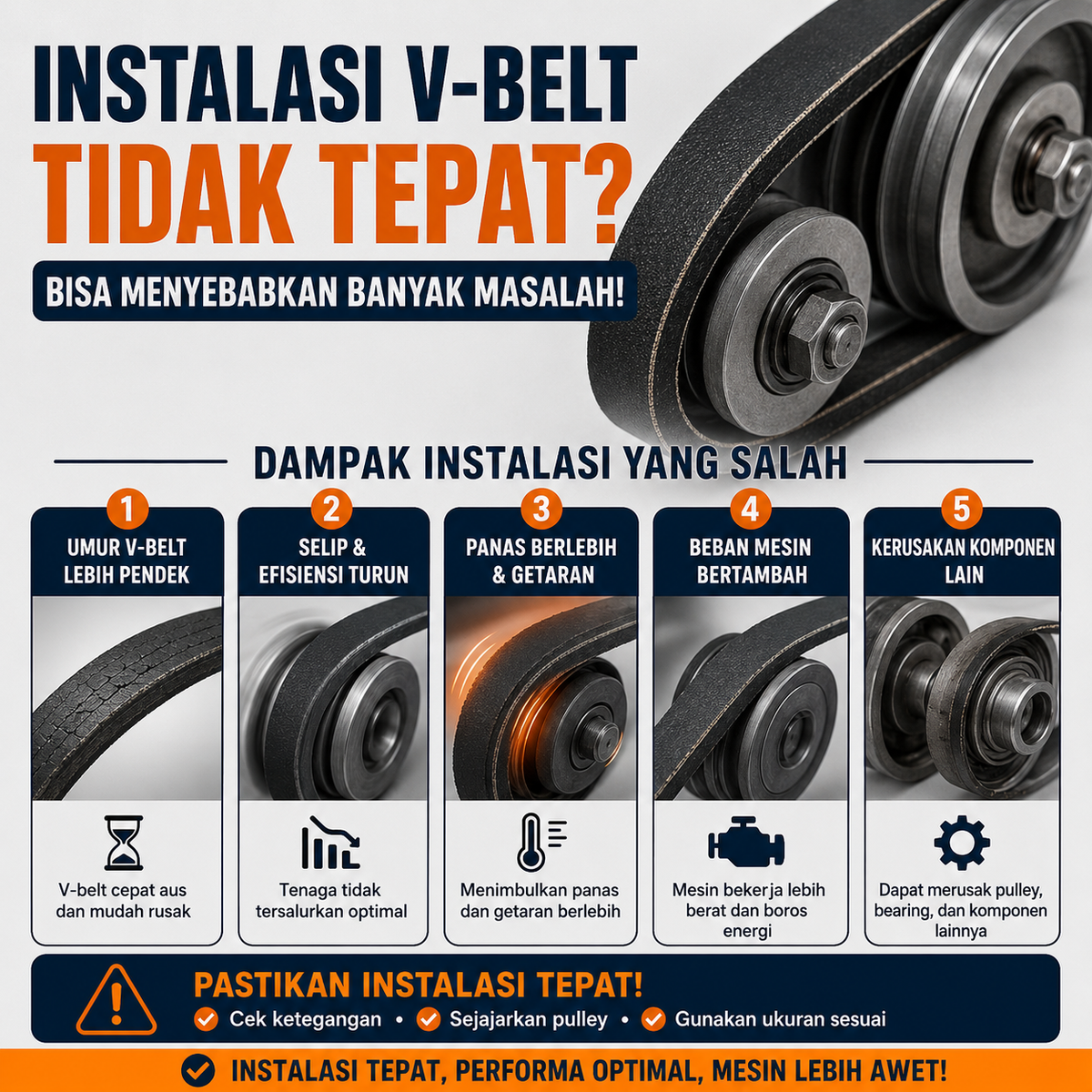
三角带安装不当会带来哪些问题?

What Problems Can Improper Installation of V-belts Cause?

The Importance of V-belts V-belts, as an indispensable part of mechanical transmission systems, are widely used in various equipment, and their role is self-evident. When installed properly, V-belts can ensure efficient operation of equipment, but if installed incorrectly, they may cause a series of problems affecting equipment performance. When installed improperly, the friction between the V-belt and the hub increases, leading to a significant rise in noise. This noise not only affects the working environment but may also be a precursor to equipment failure. If the V-belt is not properly tensioned, the machine will generate additional friction during operation, leading to increased energy consumption. Over time, this will bring additional operational costs to the enterprise, which is simply not worth it. When the installation angle of the V-belt is incorrect or the tension is insufficient, the belt will experience uneven wear. This will shorten its lifespan and may even lead to premature breakage, affecting the normal operation of the machinery. Regularly checking the condition and tension of the V-belt is key to avoiding improper installation. A maintenance cycle can be set to ensure that all equipment operates at optimal conditions. Using appropriate installation tools and equipment ensures that the installation process of the V-belt is simple and smooth. For some complex machines, it may even be worth considering hiring professionals for installation. Check the installation manual of the relevant equipment to understand specific installation requirements. Each type of equipment has its specific standards for V-belt installation, and careful reading can avoid many unnecessary troubles. Overall, the installation of V-belts is a seemingly simple but extremely important step. Whether in small devices or large machinery, ensuring correct installation not only enhances work efficiency but also extends the lifespan of the equipment. For efficient operation, correct installation and maintenance are always key. If you are looking for reliable V-belt products, you might consider the brand 【FUTURE STAR】, as their product performance is said to be quite good.

Read More
三角带多久需要更换?常见老化现象解析

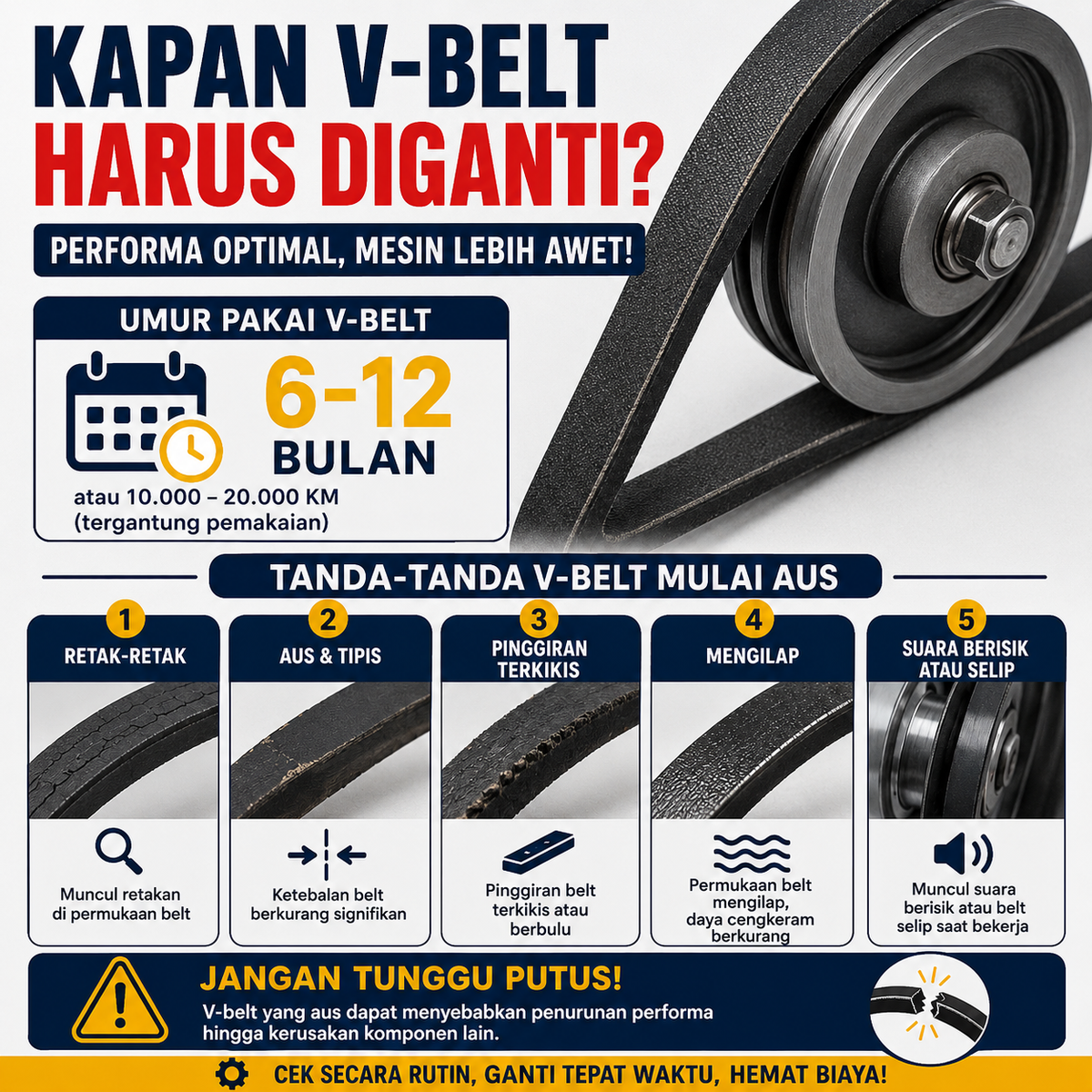
How Often Should V-belts Be Replaced? Common Signs of Aging Explained

The Lifespan of V-belts V-belts, as an important component of mechanical transmission systems, often have their replacement cycles overlooked. Generally, the replacement cycle for V-belts ranges from 5,000 to 10,000 kilometers. This is not absolute; specific circumstances depend on the usage environment, load conditions, etc. Aging is one of the main problems faced by V-belts. Typically, during use, V-belts will gradually show some obvious signs of aging. For example: A Toyota forklift used by a large logistics company has been in operation for about 8,000 kilometers. The V-belt on this forklift has developed numerous small cracks on the surface; although it can still work, the transmission efficiency has significantly decreased. If it continues to be used at this point, it may lead to premature damage to other components and even affect the overall efficiency of the vehicle. This situation is simply not worth it! Many factors affect the replacement cycle of V-belts, including environment, load, usage frequency, etc. For instance, exposure to sunlight, contact with chemicals, or extreme temperatures can accelerate aging. It is not just about the kilometers; the actual situation must also consider the usage state. Observing whether the V-belt shows signs of cracks, discoloration, wear, etc., are important indicators for determining whether it needs to be replaced. If the V-belt is obviously hard or even prone to breaking, it must not be used any longer. At this point, consider replacing it with a new type of V-belt from the 【FUTURE STAR】 brand to enhance overall performance. Replacing a V-belt is not a trivial matter. Regular checks and timely replacements are essential to ensure the normal operation of mechanical equipment. Never wait for problems to arise before addressing them; after all, prevention is always more cost-effective than treatment. Have you ever thought about the hidden costs behind neglecting the replacement of V-belts?

Read More
如何正确选择三角带型号?

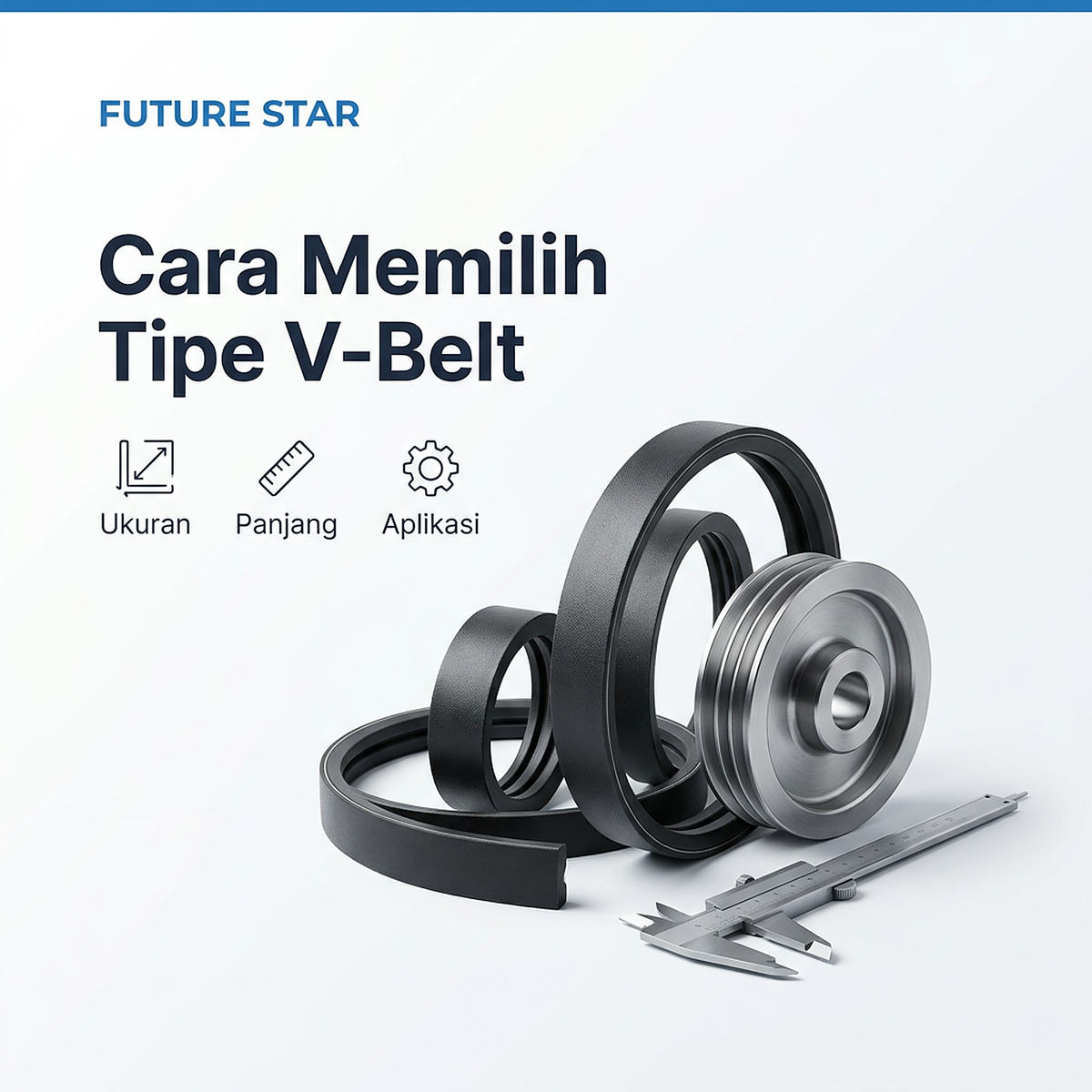
How to correctly select the V-belt model?

Basic concept of V-belts In mechanical transmission, V-belts play a crucial role. They are typically used to transfer power from one component to another, such as between motors and machinery. Choosing the right V-belt model can not only improve efficiency but also extend the lifespan of the equipment. When selecting a V-belt, several key factors need to be considered. Understanding these factors can help you make a more informed decision. Different equipment has different requirements for V-belts. For example, in industrial environments, high-strength and wear-resistant V-belts may be needed, while in household appliances, noise and efficiency may be more of a concern. Selecting the appropriate model based on the type of equipment can ensure optimal performance. The performance of V-belts can also vary in different environments. Factors such as temperature, humidity, oil contamination, and dust can all affect the working condition of V-belts. In high-temperature or high-humidity environments, choosing materials that are heat-resistant or corrosion-resistant becomes particularly important. Load is another important factor in selecting V-belts. Based on the power required by the equipment, calculate the necessary belt width and height. Generally, the thicker and wider the belt, the greater the load capacity. Ensure that the selected V-belt can withstand the maximum load of the equipment. The model marking of V-belts usually consists of several parts, including information on belt length, width, and type. Familiarizing yourself with these markings can help you quickly find the appropriate model. The length of V-belts is usually marked in millimeters or inches. The length directly affects the efficiency of the transmission system; belts that are too long or too short can lead to slippage or damage. It is recommended to use professional equipment for measurement to ensure accuracy. The width and model of V-belts are typically represented by a combination of letters and numbers. For example, A, B, and C type V-belts each have different widths and thicknesses. Choosing the appropriate belt type ensures a good fit with the corresponding pulleys. The type of material used for V-belts is also crucial. Common materials include rubber, polyurethane, and synthetic fibers. Different materials have varying wear resistance and temperature resistance, so consider the working environment and performance requirements of the equipment when making a selection. In addition to the above factors, you may also consider the following points: Correctly selecting the V-belt model can not only enhance the performance of mechanical equipment but also reduce maintenance costs. In this regard, high-quality V-belts from brands like FUTURE STAR provide users with more choices. I hope this information helps you make better decisions when selecting V-belts, avoiding common mistakes and troubles.

Read More
三角带打滑的原因与解决方法

Causes and solutions for V-belt slippage

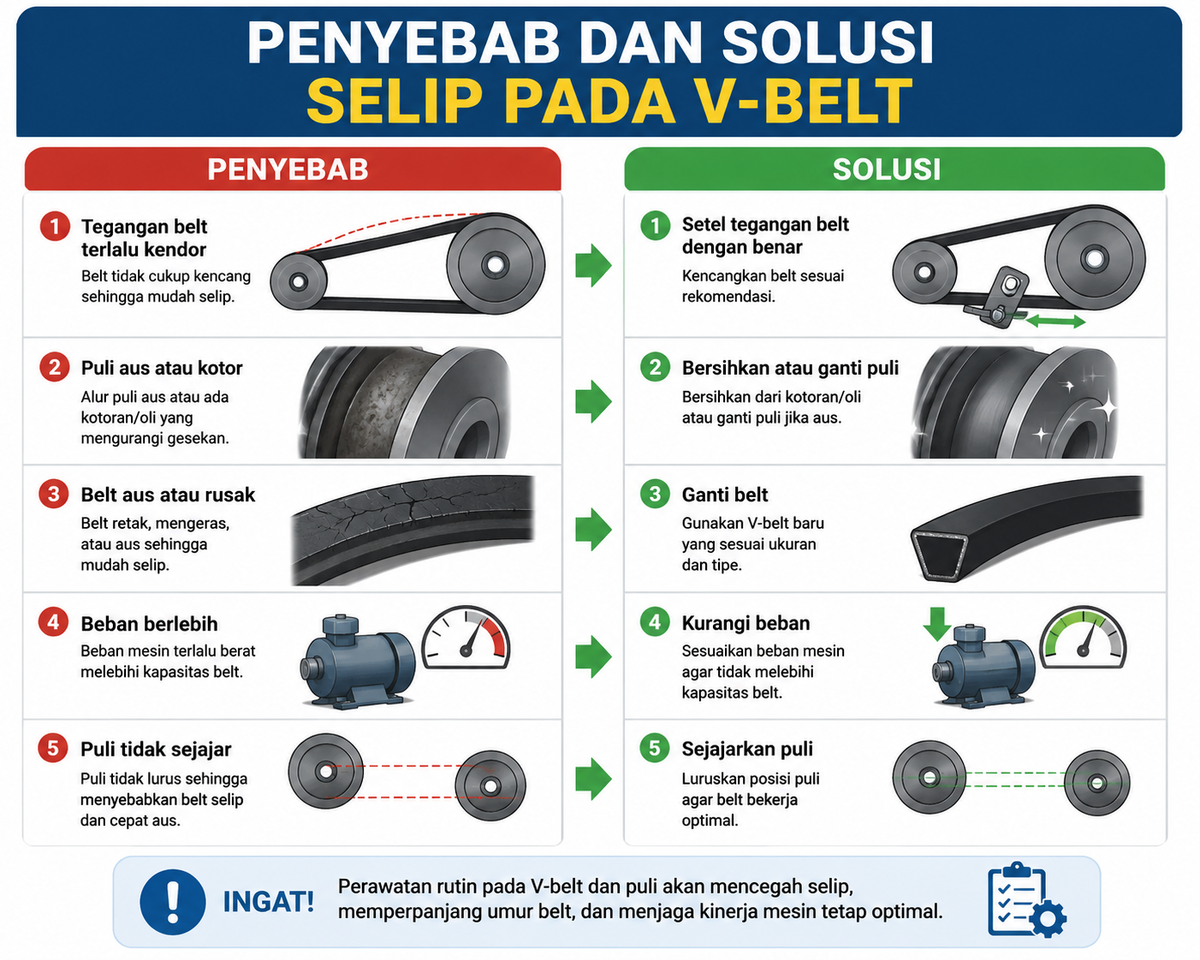
Basic functions of V-belts V-belts play a crucial role in mechanical transmission systems. They are primarily used to transfer power from one wheel to another, ensuring the normal operation of machines. In fact, the working principle of V-belts is relatively simple, but once a problem occurs, such as slippage, it can cause trouble for the entire system. Speaking of V-belt slippage, there are quite a few reasons. Let's take a look at some of the most common situations: Actually, determining whether a V-belt is slipping is not complicated. You can observe the following aspects: When you find that the V-belt is slipping, don't panic; the following methods may help you solve the problem: To avoid V-belt slippage, regular maintenance is essential. Here are some practical preventive measures: Although V-belt slippage is a minor issue, improper handling can lead to larger failures. By understanding the causes, making timely judgments, and implementing effective solutions, we can better maintain equipment and ensure its normal operation. I hope these tips can help you.

Read More
工业设备为什么离不开三角带传动?

Why can't industrial equipment do without V-belt transmission?

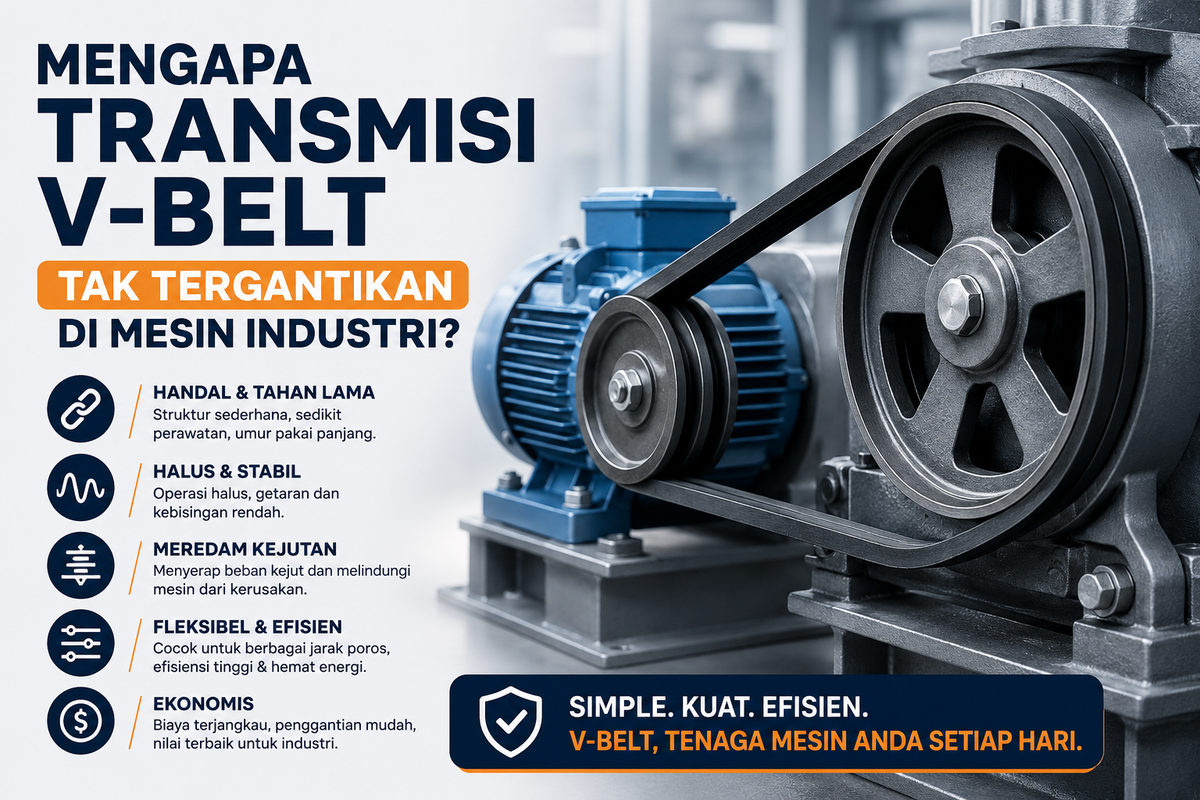
Basic principles of V-belt transmission In industrial equipment, the efficiency and stability of power transmission are crucial. V-belt transmission, as a common transmission method, operates on the principle of using a triangular cross-section belt to transfer power through friction between the profile and the wheels. This design effectively converts the rotational motion of the motor into different forms of motion required by the equipment. V-belts are generally made from high-strength rubber and fiber materials to ensure their wear and tensile strength. Common materials in the market include polyurethane, nylon, and polyester. Different material combinations can adapt to various working environments and load requirements. Due to their unique advantages, V-belt transmissions are widely used across multiple industries. Whether in agricultural machinery, mining equipment, or manufacturing, V-belts are indispensable components. In manufacturing, V-belts are particularly suitable for driving various rotating machinery, such as motors, fans, and pumps. Through the connection of V-belts, these devices can operate efficiently, reducing energy costs. Agricultural equipment, such as combine harvesters and seeders, frequently uses V-belt transmission. Since these devices operate in various environments, the durability and flexibility of V-belts make them an ideal choice. With technological advancements, V-belt materials and designs are continuously evolving. The application of new environmentally friendly materials and more efficient manufacturing processes has significantly improved the performance of V-belt transmission systems. In the future, V-belt transmission will play an important role in smart manufacturing and automation. By integrating with sensors and intelligent control systems, real-time monitoring and management can be achieved, improving production efficiency. Choosing the right V-belt is key to ensuring the normal operation of equipment. When selecting, consider the following factors: Although V-belts are relatively durable, regular maintenance and inspection are still necessary. Carefully observe the wear of the belts and regularly adjust the tension to extend their service life and avoid production losses due to belt breakage. In fact, I believe that regular maintenance is not only an effective means of reducing costs but also an important measure to ensure production safety. In the operation of industrial equipment, V-belt transmission is undoubtedly an important component. With the continuous advancement of technology, the application of V-belts will undoubtedly become more widespread, becoming an indispensable “FUTURE STAR” in future industrial equipment.

Read More
A/B/C型三角带有什么区别?一篇讲清规格与用途

What are the differences between A/B/C type V-belts? An article clarifying specifications and uses.

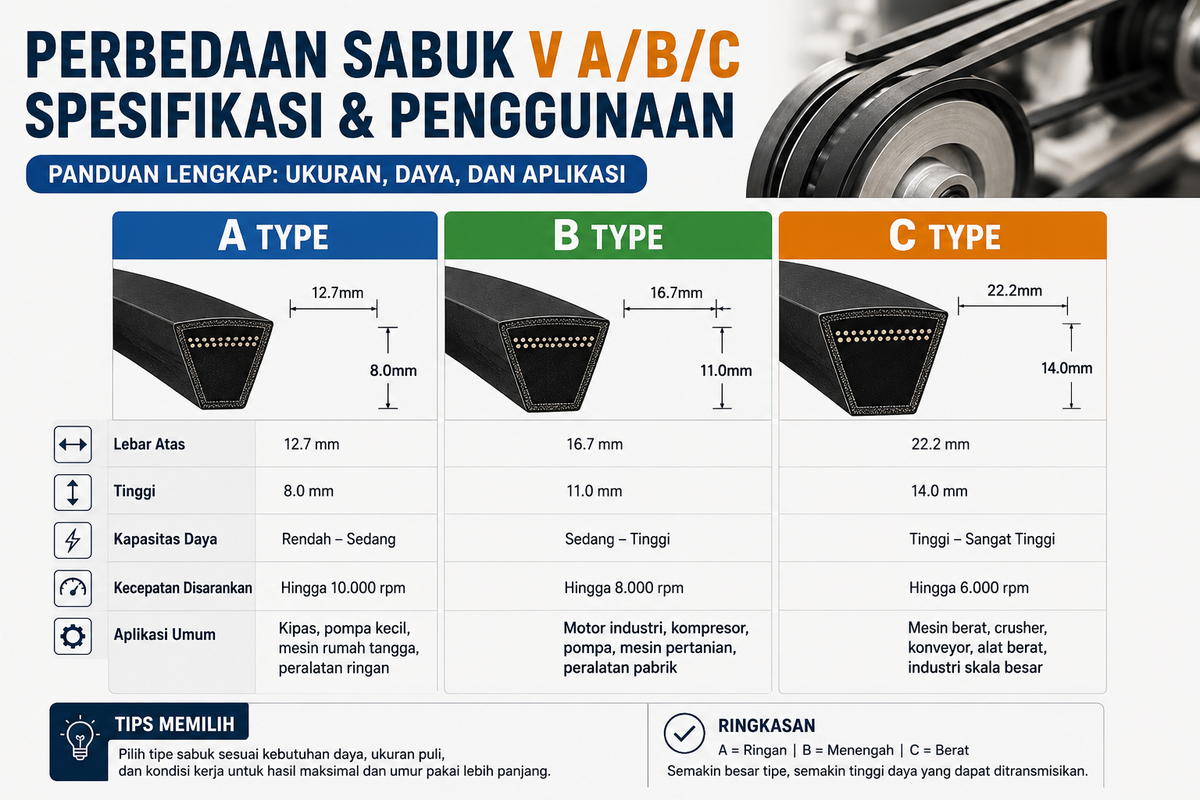
Basic concepts of A/B/C type V-belts. V-belts, as an indispensable transmission tool in industrial machinery, directly affect the operational efficiency of equipment. Commonly found V-belts in the market are mainly divided into A, B, and C types, each with its specific design and application scenarios. The width of A type V-belts is usually 13 millimeters, suitable for small power motors and some light-load machinery. Due to its smaller cross-section, A type V-belts perform excellently in compact spaces. B type V-belts have a width of 17 millimeters, suitable for medium power machinery. This type of V-belt provides stronger transmission capability for machinery, suitable for various types of industrial applications. C type V-belts have a width of 22 millimeters, mainly used for high-power machinery. This type of V-belt can still maintain good performance under heavy loads. When selecting V-belts, multiple factors need to be considered, including equipment type, load requirements, and space limitations. In fact, improper selection may lead to equipment failure or efficiency decline. The choice of V-belts is actually a direct influencing factor on equipment performance and lifespan. A, B, and C type V-belts each play an important role in different fields. The author believes that understanding these differences can help users make more informed decisions when purchasing. In the market, brands like this offer various types of V-belts, ensuring that customers with different needs can find suitable solutions.

Read More
工业橡胶制品未来发展趋势

Future Development Trends of Industrial Rubber Products

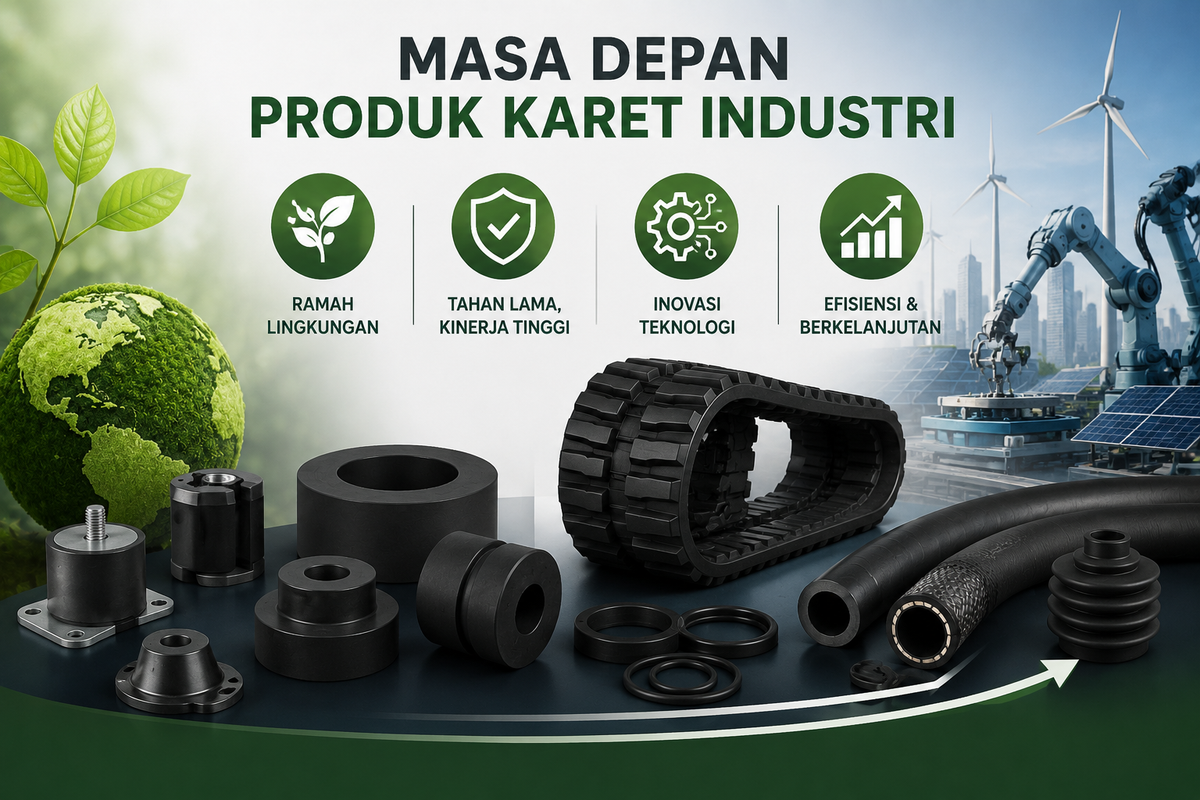
Trends in Material Innovation for Industrial Rubber Products: With continuous technological advancements, traditional rubber materials are undergoing multidimensional innovations. In the context of increasingly stringent environmental regulations, synthetic rubber based on bio-based raw materials has gradually become a research hotspot, and some companies have even begun commercializing these new materials. Additionally, to meet high-performance industrial demands, composite rubber materials containing nano-fillers are also gaining popularity, significantly enhancing their wear resistance and mechanical strength through improved interfacial bonding. In recent years, the concept of green sustainable development has deeply penetrated the industrial rubber field. Techniques such as natural rubber blending modification and waste rubber recycling not only reduce dependence on petroleum-based resources but also mitigate the carbon footprint during production. In the future, the possibility of using biodegradable rubber as industrial products is also highly anticipated. Digital transformation is accelerating its penetration into the manufacturing of industrial rubber products. With the help of the Internet of Things (IoT), Artificial Intelligence (AI), and big data analysis, production lines have achieved more efficient automation control and quality monitoring. For example, by real-time monitoring of mold temperature and curing time parameters, it can effectively reduce the defect rate and improve production capacity stability. As a forward-looking brand in the industry, significant investments are being made in the research and development of intelligent manufacturing systems. Notable progress has been made in rubber formulation optimization and process automation, especially in the manufacturing of high-temperature seals and shock-absorbing pads, achieving a dual enhancement of material performance and production efficiency. Market demand drives industrial rubber products to evolve towards more specialization and multifunctionality. Features such as corrosion resistance, flame retardancy, electrical insulation, and self-repair capabilities are integrated into a single product to meet the special requirements of complex industrial environments. For example, in the petrochemical and electronics manufacturing industries, rubber products with anti-static and high-temperature resistance are particularly critical. With the rapid expansion of emerging industries such as new energy vehicles and 5G communication devices, the application fields of industrial rubber products are also expanding. Especially in insulation sealing for power battery packs and protection for high-speed communication connectors, higher comprehensive performance indicators are required for rubber materials, directly promoting material research and design towards greater refinement. In addition to advancements in materials themselves, innovations in manufacturing processes cannot be overlooked. Optimizations in injection molding and extrusion molding technologies, combined with the introduction of laser-assisted processing and 3D printing technologies, have significantly improved the design freedom and manufacturing precision of industrial rubber products. Meanwhile, the widespread adoption of flexible automated assembly lines has greatly shortened the cycle from research and development to mass production. With the increasing demand for product performance, the relevant testing and certification systems are also becoming more refined. The industry is not lacking in updates to international standards regarding rubber mechanical properties, thermal stability, and aging life; these norms not only promote product consistency but also provide guarantees for international trade. The development of industrial rubber products is currently in a multidimensional integration stage, with material innovation, intelligent manufacturing, and application diversification jointly driving the industry towards high-quality development. Companies represented by FUTURE STAR, leveraging technological accumulation and market insights, are demonstrating significant competitive advantages in this field. In the future, with the implementation of more cutting-edge technologies, industrial rubber products will undoubtedly play an irreplaceable role in more key industries.

Read More
橡胶板和V Belt的维护技巧

Maintenance Tips for Rubber Sheets and V-Belts

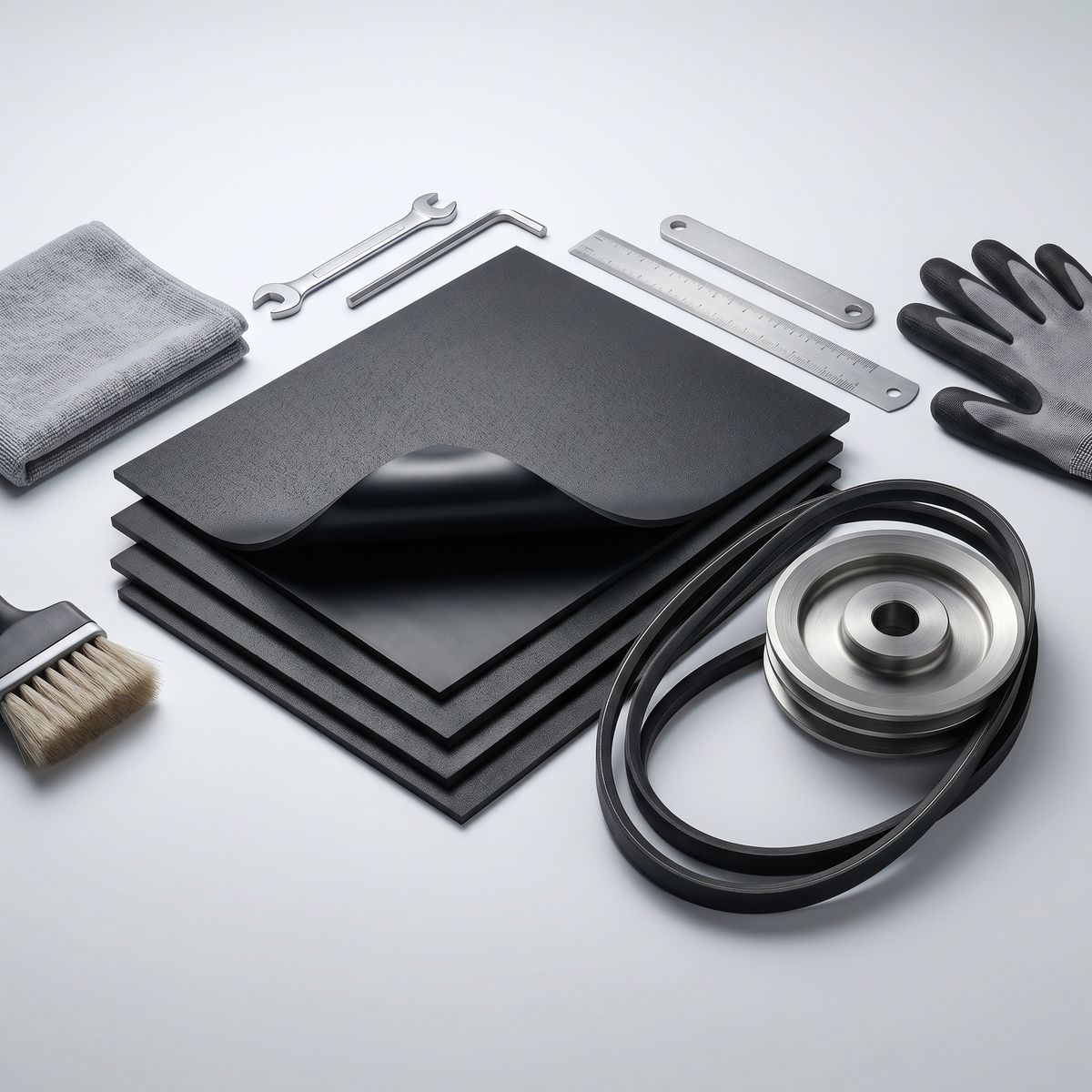
Maintenance and Care Methods for Rubber Sheets: Rubber sheets, as commonly used sealing, anti-slip, and cushioning materials in industry, are widely applied due to their excellent elasticity and wear resistance. However, during long-term use, the performance of rubber sheets can be affected by environmental factors and mechanical stress, making scientific and reasonable maintenance particularly important. Contaminants on the surface of rubber sheets, such as grease, dust, or chemical residues, can accelerate material aging. When cleaning, neutral detergents and warm water should be used, avoiding strong acids, strong bases, or organic solvents, as these substances can easily damage the rubber molecular chain structure. Additionally, the cleaning process should minimize mechanical friction to prevent surface scratches and maintain the original physical properties of the rubber sheet. The storage environment of rubber sheets directly affects their service life. Ideally, they should be placed in a cool, dry, and light-avoiding environment, avoiding direct sunlight and high temperatures, as ultraviolet rays and oxidation can cause rubber hardening or even cracking. At the same time, prevent rubber sheets from coming into contact with oils, solvents, and other chemicals to reduce material degradation speed. Periodic inspection of rubber sheets is an important step in extending their service life. Inspection items include thickness measurement, surface hardness testing, and visual crack detection. Rubber sheets that show significant hardening, cracking, or deformation should be replaced promptly. Furthermore, to ensure overall equipment efficiency, it is recommended to choose well-known brand products, such as the FUTURE STAR series rubber sheets, which excel in wear resistance and aging resistance. The V Belt (V-belt) is a core component in power transmission systems, and its maintenance directly affects mechanical operating efficiency and safety. Since V Belts typically endure significant tension and friction, scientific maintenance methods can significantly enhance their performance stability and lifespan. Excessive tension on the V Belt can lead to early breakage and may damage bearings and other transmission components; conversely, insufficient tension can cause slipping and reduced transmission efficiency. Therefore, using professional tension measuring instruments for tension measurement and adjustment is key to maintaining optimal operating conditions. Additionally, settings should be based on the tension range provided by the manufacturer to avoid blind adjustments. Accumulation of dirt on pulleys and eccentric installation can exacerbate V Belt wear, leading to abnormal vibrations and noise. During maintenance, pulleys should be regularly cleaned, and the pulley axis should be accurately aligned to reduce abnormal lateral loads. Furthermore, the V Belt products launched by the FUTURE STAR brand require relatively low maintenance due to their high-standard manufacturing processes and durable materials, but it is still recommended to strictly follow maintenance procedures to extend their service life. Through visual inspection and tactile assessment, one can identify whether the V Belt has cracks, surface cracking, or smoothness, which are typical signs of wear and aging. When such issues arise, timely replacement is necessary to avoid transmission failures. Developing a maintenance plan based on equipment operating time and environmental conditions can ensure stable operation of the power transmission system. Common issues to pay attention to during maintenance: Avoid spilling lubricating oil or other chemicals on rubber sheets or V Belts, as this can accelerate material deterioration. Follow the manufacturer's recommended maintenance cycles and standards to avoid excessive or insufficient maintenance operations. Use quality-assured replacement parts; the FUTURE STAR brand offers a variety of high-quality rubber sheets and V Belts, balancing performance and cost-effectiveness, making them a reliable choice in the industry.

Read More
工业传动系统中的V Belt作用

Role of V-Belts in Industrial Drive Systems

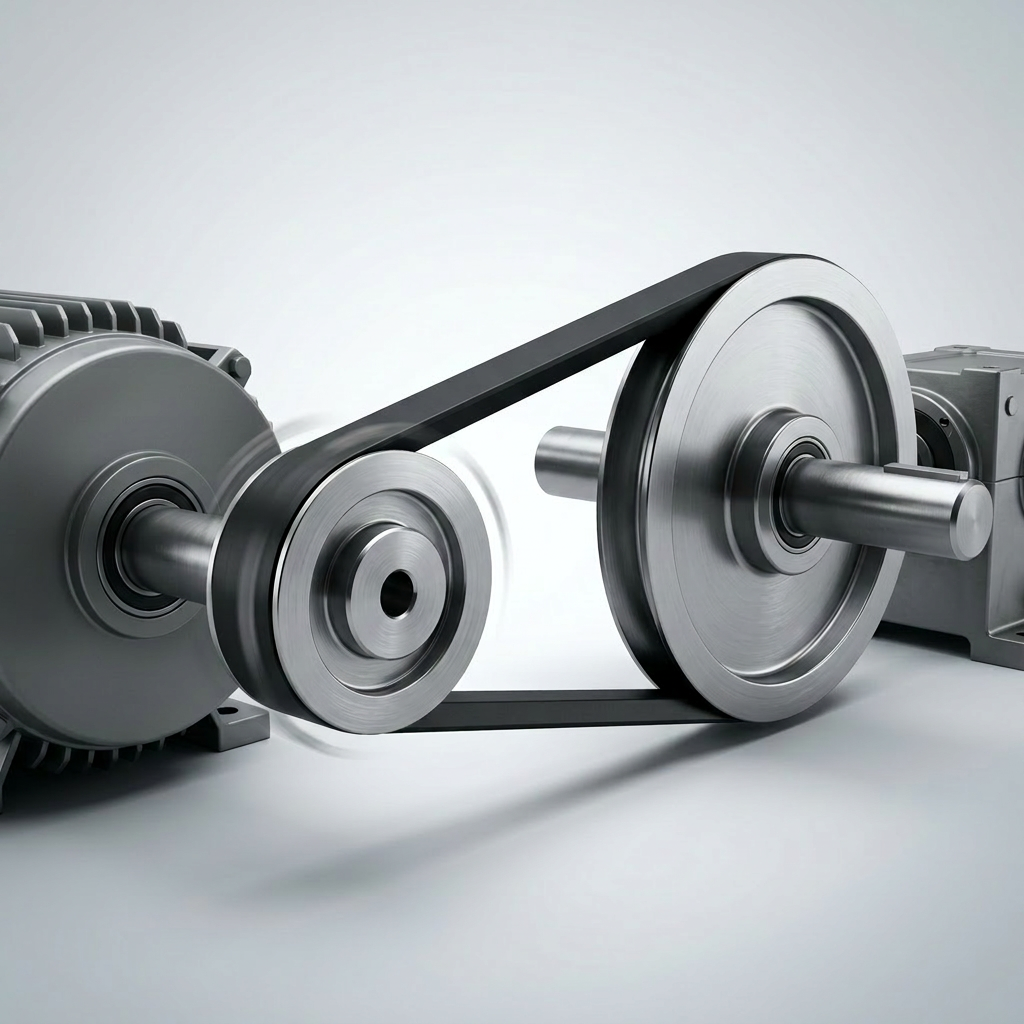
The Fundamental Role of V Belts in Industrial Transmission Systems: In industrial transmission systems, V Belts (wedge belts) are almost ubiquitous protagonists. They are responsible for connecting power sources and mechanical equipment, efficiently transmitting power. Simply put, this "belt" helps machines run. You may not notice it, but every time a machine starts, it silently plays its role. The V Belt gets its name from its cross-section, which presents a "V" shape; this design is quite clever—it allows the belt to fit snugly into the groove of the pulley, increasing friction and reducing slippage. In simple terms, it ensures transmission efficiency through a wedge locking mechanism. This design is more stable and durable than ordinary flat belts. Compared to synchronous belts and chains, one of the biggest advantages of V Belts is their smooth operation, low noise, and reduced burden on bearings. However, it also has limitations, such as limited peak load capacity, making it unsuitable for extremely heavy loads. Additionally, slippage issues with V Belts can sometimes affect efficiency, but modern materials and innovative designs are continually reducing this drawback. When discussing V Belts, one cannot overlook breakthroughs in materials and structure. They use advanced composite rubber and reinforced fibers, significantly enhancing the wear and tensile resistance of the transmission belt. Moreover, special surface treatment technologies reduce heat accumulation and aging speed, greatly extending service life. With the green transformation of industry, eco-friendly V Belts are becoming increasingly popular. These products not only ensure performance but also meet energy-saving and emission-reduction standards, truly achieving "low-carbon operation." In the future, the proportion of such belts in transmission systems is expected to increase. Correct installation of V Belts is crucial; they should not be too loose or too tight. Generally, it is recommended to use tension measuring instruments for precise tension measurement or follow the manufacturer's manual. Don't forget to check regularly, promptly cleaning dust and oil to ensure the belt does not slip or misalign. Many newcomers think that a slightly loose V Belt is fine, resulting in significantly reduced efficiency. Others overlook pulley alignment, causing the belt to wear out astonishingly fast. Experience teaches that small details determine great success or failure; paying attention to assembly details can save frequent downtime for repairs.

Read More
橡胶制品的耐磨原理是什么?

What is the Wear Resistance Principle of Rubber Products?

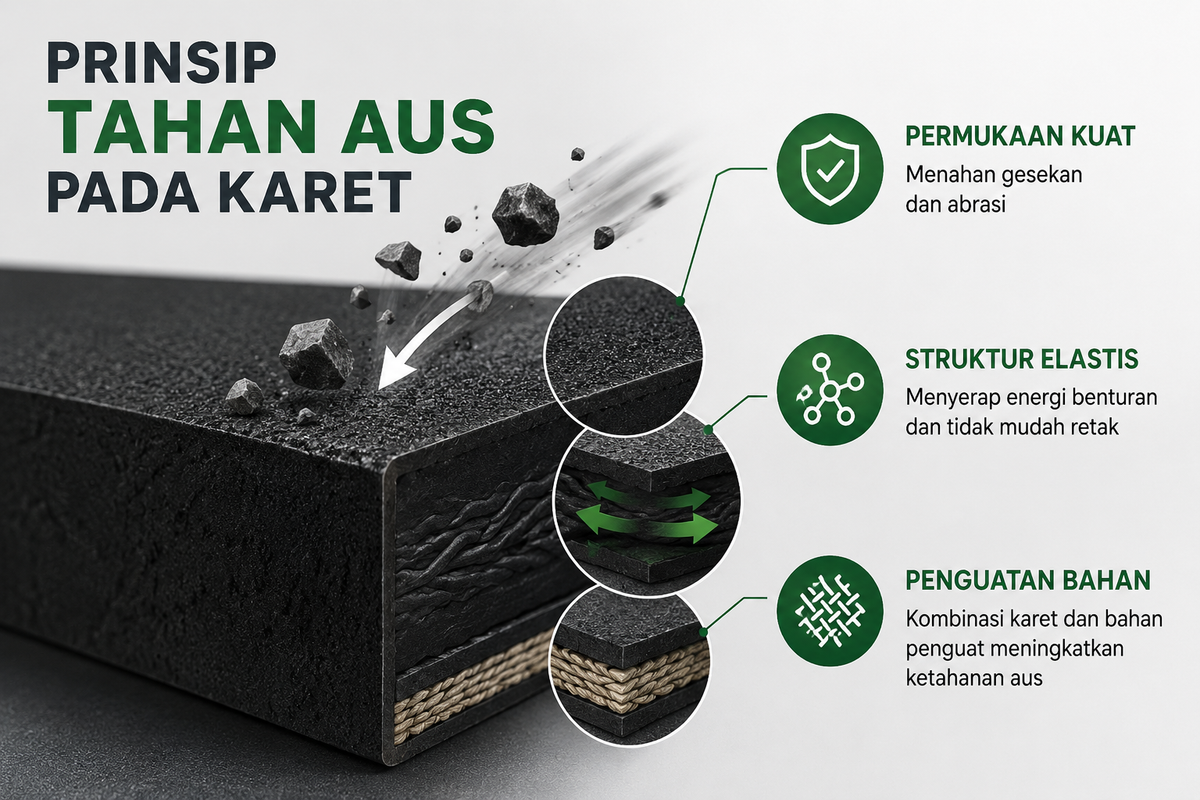
The Myth of Rubber Products' Wear Resistance Wear resistance sounds simple. But the mechanisms behind it are complex enough to be a headache. For high-performance rubber tires, surface hardness is not the determining factor. In one experiment, three types of rubber materials were selected: Natural Rubber NR, Styrene-Butadiene Rubber SBR, and Neoprene Rubber CR. Their hardness was 60 Shore A, 70 Shore A, and 65 Shore A respectively, but the wear resistance index was SBR > CR > NR. What does this indicate? Do you think higher hardness means better wear resistance? Wrong! The principle of wear resistance relies not on a single attribute, but on a grand performance of ”molecular structure” and ”mechanical behavior.” Imagine a conveyor belt in a food processing plant made of neoprene rubber. After days of high-intensity operation, traditional rubber products show obvious surface peeling and cracking, while FUTURE STAR products remain smooth and intact. Why? Because they use an innovative multi-layer composite structure, stacking rubber of different hardness as needed, protecting the surface while enhancing overall toughness. Can wear resistance rely solely on hardness? Don’t be foolish; true wear resistance is a dance of multiple physical and chemical factors. Recent research shows that through specific dynamic cross-linking technology, rubber can self-repair molecular chain fractures when subjected to minor friction damage. This technology is being experimented with to achieve the dream of ”zero wear.” Sounds like science fiction, right? But technology always exceeds imagination. Rubber wear resistance is not about a smooth surface or simple hardness numbers. It is a delicate combination of molecular networks and additives, an art where every detail in the manufacturing process cannot be overlooked. Next time you see rubber products, don’t rush to praise their wear resistance; first, think about how profound the science behind them really is.

Read More
如何选择适合工业设备的橡胶制品?

How to Choose Suitable Rubber Products for Industrial Equipment?

The Importance of Rubber Products in Industrial Equipment In industrial equipment, the role of rubber products is often underestimated. In fact, they not only perform sealing, shock absorption, and insulation duties but are also key to ensuring the long-term stable operation of equipment. Choosing the right rubber material can not only extend equipment lifespan but also significantly reduce maintenance costs. Before purchasing rubber products, the first step is to clearly understand their application environment: Taking the well-known brand FUTURE STAR as an example, its product line covers various materials from Neoprene Rubber (CR) to Silicone Rubber (SI) and Ethylene Propylene Diene Monomer (EPDM), meeting various complex working conditions. Especially in extreme environments, selecting the right rubber products can greatly enhance equipment stability. The basic properties of different rubbers determine their application fields. Here’s a brief comparison of several common types: I believe many equipment users overlook the comprehensive performance matching of rubber materials, leading to early failures. In fact, when choosing, one should not only look at a single indicator but should consider all working condition parameters. Besides the material itself, the design and manufacturing process of rubber products are also crucial. For example: Therefore, when purchasing, it is recommended to choose brands with a complete quality control system and advanced processing technology to maximize the reliability of rubber products. Theoretically optimal materials may not be suitable for all practical scenarios, and on-site testing and sample validation should not be neglected. Many companies first purchase small batches of samples for trial use and adjust their selection plans based on equipment feedback. Although this approach increases initial investment, it can avoid greater economic losses in the future. Ultimately, selecting suitable industrial rubber products is a systematic project that requires a deep understanding of equipment needs, material properties, and process technologies. Even amidst fierce competition among numerous brands, capable and experienced suppliers remain the first choice for industrial users. After all, quality not only represents performance but also reflects the guarantee of production safety and continuous operation.

Read More
工业设备常用橡胶材料大全

A Comprehensive List of Common Rubber Materials Used in Industrial Equipment

Why Are Rubber Materials So Critical in Industrial Equipment? In the design and manufacturing process of industrial equipment, rubber materials play an irreplaceable role. They provide multiple functions such as sealing, shock absorption, and wear resistance, directly affecting the operational efficiency and lifespan of the equipment. In practical applications, the performance requirements for rubber vary greatly under different working conditions, making the selection of the appropriate rubber type a challenge that engineers must overcome. Known for its excellent elasticity and wear resistance, natural rubber is widely used in drive belts, seals, and shock-absorbing devices. However, it has poor resistance to oils and ozone, making it unsuitable for exposure to harsh chemical environments. Despite this, natural rubber remains the preferred material for many basic industrial equipment due to its low cost and ease of processing. For oil and fuel resistance, nitrile rubber has unmatched advantages. Its chemical stability and oil resistance make it an ideal material for hydraulic system seals and oil seals. Additionally, NBR has good wear resistance but performs poorly under high temperatures, typically suitable for working environments ranging from -40°C to 108°C. If you need rubber that can withstand extreme high temperatures, strong acids, and solvent corrosion, fluorine rubber is the best choice. It can operate stably above 200°C, with some high-end models even exceeding 300°C. This material is commonly used in sealing components for aerospace, automotive engines, and chemical equipment. I believe fluorine rubber is the ”future star” in the industrial rubber field. Silicone rubber is widely adopted for its excellent high and low-temperature resistance, especially suitable for equipment sealing in extreme climates. However, its mechanical strength is relatively low and prone to tearing, making it unsuitable for bearing heavy mechanical loads. Silicone rubber also has good biocompatibility, finding a market in food machinery and medical equipment. Neoprene rubber is known for its ozone resistance and weather resistance, while also possessing good wear and oil resistance. It is widely used in sealing strips, waterproof membranes, and conveyor belts. Although its chemical resistance is slightly inferior to fluorine rubber, its price is more competitive, making it a practical choice for many mid-to-low-end industrial equipment. With the development of Industry 4.0 and smart manufacturing, traditional rubber materials are gradually evolving towards intelligence. For example, rubber containing conductive fillers can achieve real-time status monitoring, greatly enhancing equipment preventive maintenance capabilities. A significant amount of research and development effort has been invested in applying smart materials in sealing and shock absorption fields to help customers improve overall equipment reliability. When selecting rubber materials for industrial equipment, never focus solely on a single performance indicator. Comprehensive consideration of actual working conditions is the key. A simple experiment or case analysis often reveals a more suitable material solution. As an industry practitioner, I recommend paying attention to brands that have a rich product line and innovative capabilities, as they can always provide the most tailored solutions.

Read More
橡胶制品在机械行业中的作用

The Role of Rubber Products in the Machinery Industry

How Deep is the Machinery Industry's Dependence on Rubber Products? Do you think machines only run on steel? Wrong. Rubber products, especially those seemingly inconspicuous seals and cushions, play critical protective and conductive roles. In a large heavy machinery assembly workshop, engineers once conducted an experiment: replacing rubber seals in a certain hydraulic system with traditional metal gaskets resulted in a 42% increase in system leakage rate. This tells us that rubber is not just a 'soft thing,' but an essential component for the stable operation of machinery. Strong elasticity. Wear-resistant. Resistant to chemical corrosion. These are the reasons rubber products are widely used. For example, fluorine rubber products are extensively used in automotive engines and industrial pumps due to their outstanding high-temperature resistance. Additionally, nitrile rubber (NBR) performs excellently in oil pipelines, effectively isolating fuel erosion. Clearly, the unique physical and chemical properties of rubber make it irreplaceable. Many people overlook the lifecycle cost of rubber products. Did you know? In a modern wind turbine, the total cost of rubber seals replaced each year is less than 5% of the total maintenance cost of the entire machine, but if regular replacements are neglected, repair costs will multiply. So, I can't help but ask: why do we still treat these 'soft edges' as dispensable? The machinery industry is moving towards smart manufacturing, and rubber products are also beginning to embrace technological upgrades. Taking FUTURE STAR as an example, they are developing intelligent rubber sealing materials capable of real-time monitoring of stress changes, embedding micro-sensors to provide data support for predictive maintenance, thus avoiding sudden failures. It sounds like science fiction, but this is genuinely happening around us. The role of rubber products in the machinery industry far exceeds your imagination. From reducing vibration noise and ensuring hydraulic system safety to extending the lifespan of critical components, they quietly support the entire machinery operation. Remember, choosing the right rubber is like equipping machinery with an 'invisible armor.'

Read More
三角带与橡胶板的工业应用解析

Analysis of Industrial Applications of V-Belts and Rubber Sheets

The Structure and Performance Characteristics of V-Belts As a common power transmission component in mechanical drive systems, V-belts are named for their trapezoidal cross-section. This unique cross-sectional design allows V-belts to form a self-locking effect by wedging into the pulley groove while transmitting torque, significantly improving transmission efficiency and stability. This design not only reduces slippage but also effectively lowers transmission noise. Typically made from rubber, polyurethane, and other composite fiber fabrics, V-belts have good elasticity and wear resistance, while different core materials (such as polyester fiber and steel wire) enhance load-bearing capacity and tensile strength. Additionally, adaptability to working temperature ranges and chemical media is also an important indicator for assessing V-belt performance. Rubber sheets can be classified into various types based on material composition and processing technology, including natural rubber sheets, nitrile rubber sheets, neoprene rubber sheets, silicone sheets, and more. Each type of rubber sheet, with its unique physical and chemical properties, is widely used in sealing, shock absorption, isolation, and wear resistance across multiple industrial fields. In heavy machinery and automated production lines, V-belts often undertake critical power transmission tasks, and their performance directly affects the operational efficiency and stability of the equipment. Rubber sheets are typically used for cushioning, shock absorption, and sealing in machinery, reducing mechanical vibrations and preventing external contaminants from entering, thereby extending the equipment's lifespan. For example, a high-performance V-belt produced by FUTURE STAR, combined with a specially formulated rubber sheet, can maintain excellent transmission reliability and sealing effectiveness under complex working conditions. Such combinations are particularly suitable for industries like mining machinery, paper machines, and textile machinery, effectively enhancing maintenance intervals and overall equipment economy while ensuring safe operation. Choosing the right V-belt and rubber sheet requires comprehensive consideration of working condition parameters, including load size, speed range, temperature fluctuations, and contact media. For V-belts, it is recommended to prioritize products that have undergone rigorous tension testing and dynamic fatigue testing certification to ensure long-term stable operation. The selection of rubber sheets should be based on wear resistance, chemical corrosion resistance, and elastic recovery performance, while also paying attention to whether their thickness and hardness levels meet application requirements. Regularly checking rubber sheets for signs of cracking, hardening, and other aging phenomena is a key aspect of industrial site maintenance. With the rapid advancement of smart manufacturing and green industry, V-belts and rubber sheet materials are evolving towards high performance and environmental friendliness. For example, improving the wear and aging resistance of rubber through nanotechnology or developing lighter and more efficient composite V-belts to meet the demands of high-speed and high-load machinery. Meanwhile, innovative brands like FUTURE STAR are continuously driving material technology innovation, promoting industrial upgrades.

Read More
工业橡胶制品有哪些?全面科普

What are industrial rubber products? A comprehensive introduction.

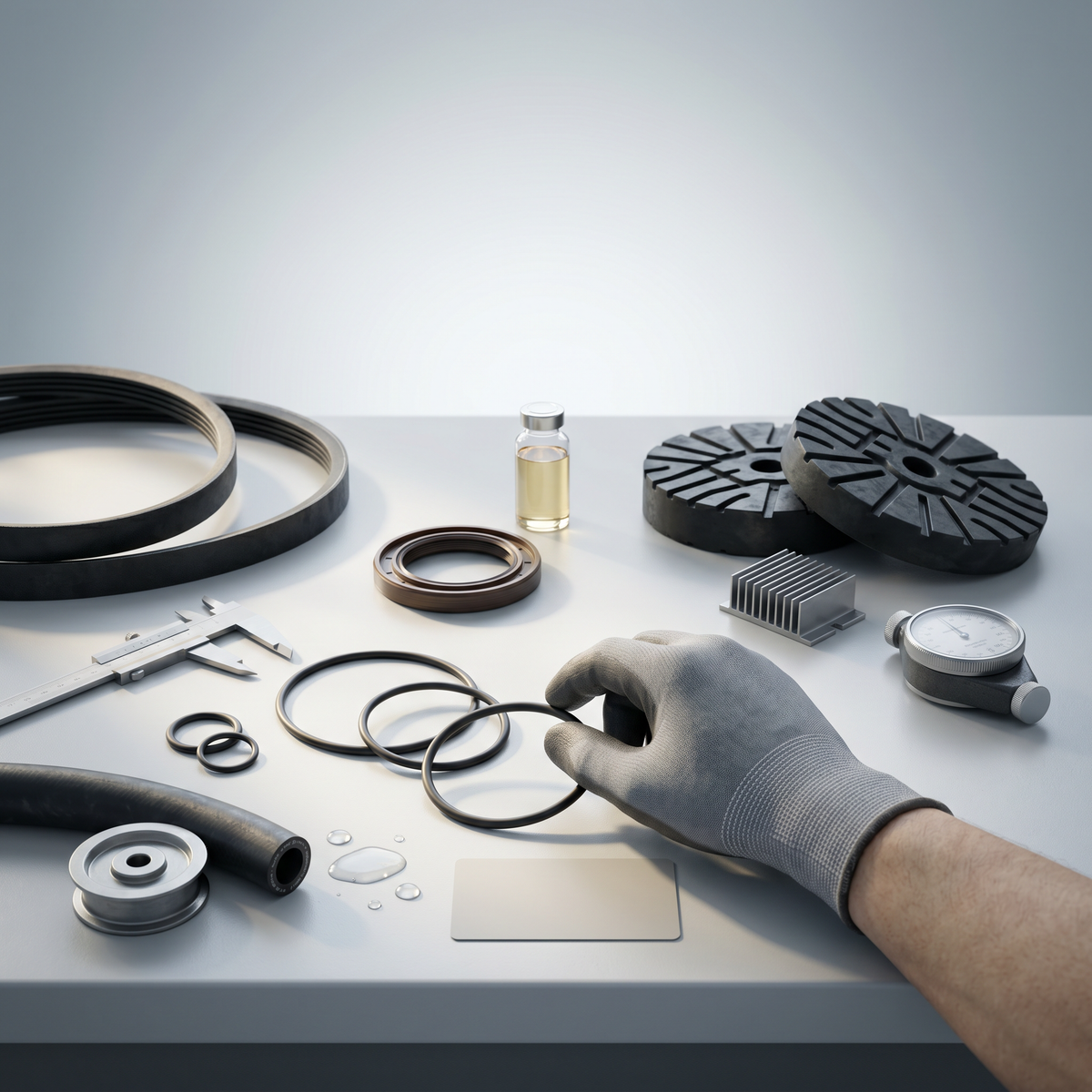
The Diverse World of Industrial Rubber Products Can you imagine what an industrial site would be like without rubber? It's simply unimaginable! The range of industrial rubber products is far broader than the average person realizes. From seals in workshops to shock-absorbing pads in large machinery, these seemingly inconspicuous little things are key to the normal operation of machines. There are many types of seals, such as O-rings, oil seals, and gaskets. Take O-rings as an example; they are made from fluorine rubber (FKM) or nitrile rubber (NBR), with outstanding high-temperature and corrosion resistance. On the Ford production line, a seal ring made of NBR material undergoes over 100 opening and closing cycles daily, yet its lifespan can easily exceed a year—this is the charm of industrial rubber. The conveyor belt series under the brand not only covers PVC conveyor belts but also includes wear-resistant polyurethane conveyor belts. After a steel mill introduced a polyurethane conveyor belt provided by a quality brand, the equipment failure rate dropped by 30%, and production increased by 15%. The reason behind this is simple: high-quality materials ensure that the conveyor belt maintains excellent performance even in extreme environments. Elastomer parts are commonly found in automotive engine mounts and mechanical equipment's shock absorption systems. For instance, a Bosch-developed engine mount uses a specially formulated silicone rubber internally, effectively absorbing vibrations during high-speed operation, extending engine life. Interestingly, some people believe that metal can completely replace the elastic function of rubber! This is a huge misconception; not only does it increase costs, but it also fails to solve noise issues. For example, after a chemical plant switched to FUTURE STAR's chemical-resistant hoses, the frequency of pipeline maintenance dropped from twice a quarter to once every six months, significantly enhancing production safety. The vibrations and noise from industrial equipment often cause headaches for operators. Imported brands like SKF have launched rubber shock-absorbing pads that utilize advanced composite material technology, improving vibration isolation by 40%. Just imagine, the machines next to you going from noisy to silent—what does this mean for work efficiency and personnel health? In addition to traditional industrial fields, customized rubber products are also widely used in aerospace and electronic manufacturing. For example, NASA once used a specially developed fluorine rubber material for the seals in rocket fuel pumps; this material not only withstands extreme temperatures but also resists intense radiation. The performance of industrial rubber in these high-tech fields is awe-inspiring. Speaking of this, I must mention this brand, which has sparked a 'small revolution' in the seal market through innovative material formulations and advanced molding technology, quickly rising to the forefront of the industry with its exceptional performance and reliability. Some may ask, 'Does this count as a future star?' The answer is undoubtedly yes, as it is becoming an important part of the ecosystem. The world of industrial rubber products is like a coral reef at the bottom of the sea, full of vitality and infinite possibilities. To truly master it, you must step outside conventional perspectives and dare to touch those seemingly insignificant details. Next time you see a machine running smoothly, take a moment to look up and see those quietly working rubber parts, supporting the entire industrial stage in their unique way.

Read More