Articles by

什么是橡胶板?作用与用途介绍

What is a rubber sheet? An introduction to its functions and uses.

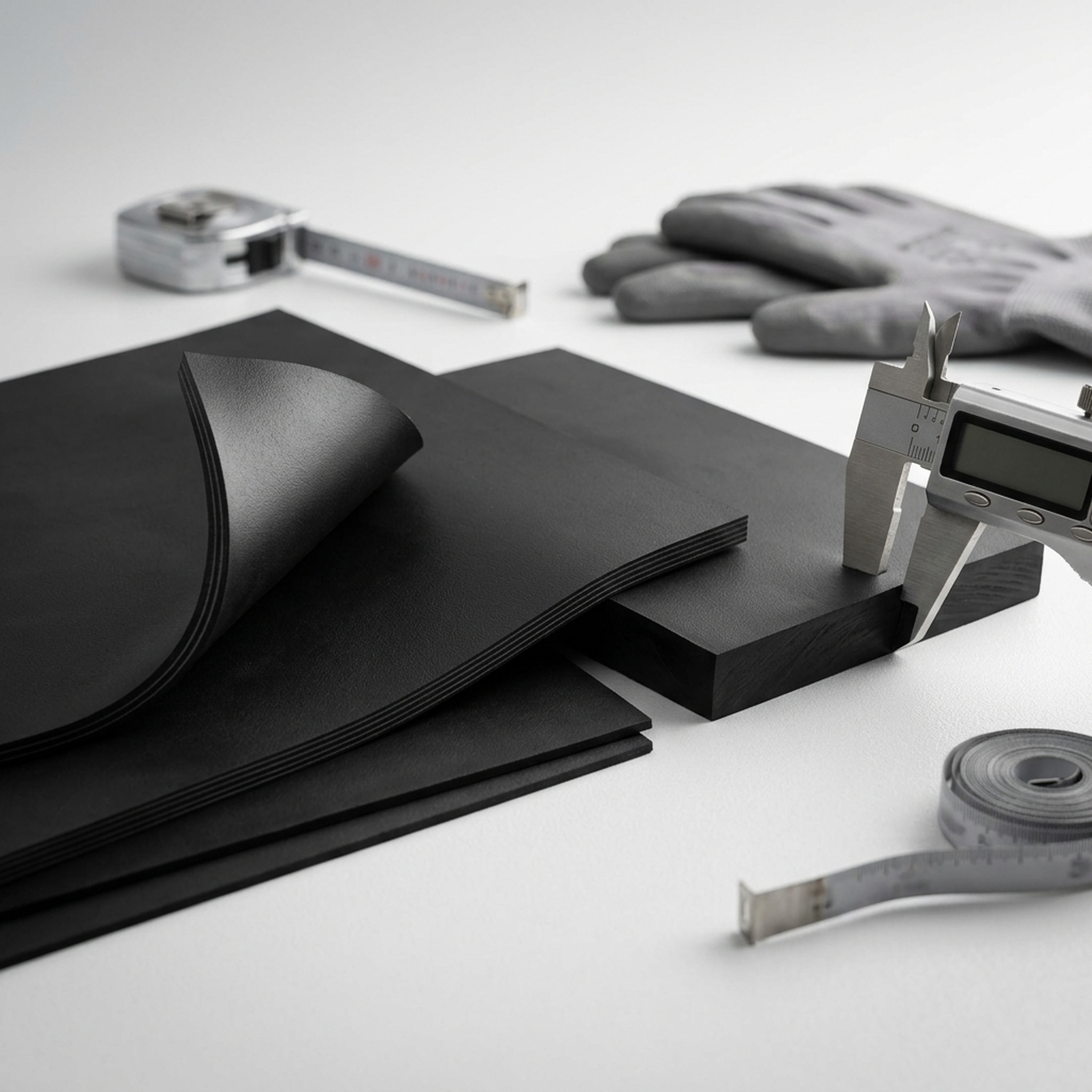
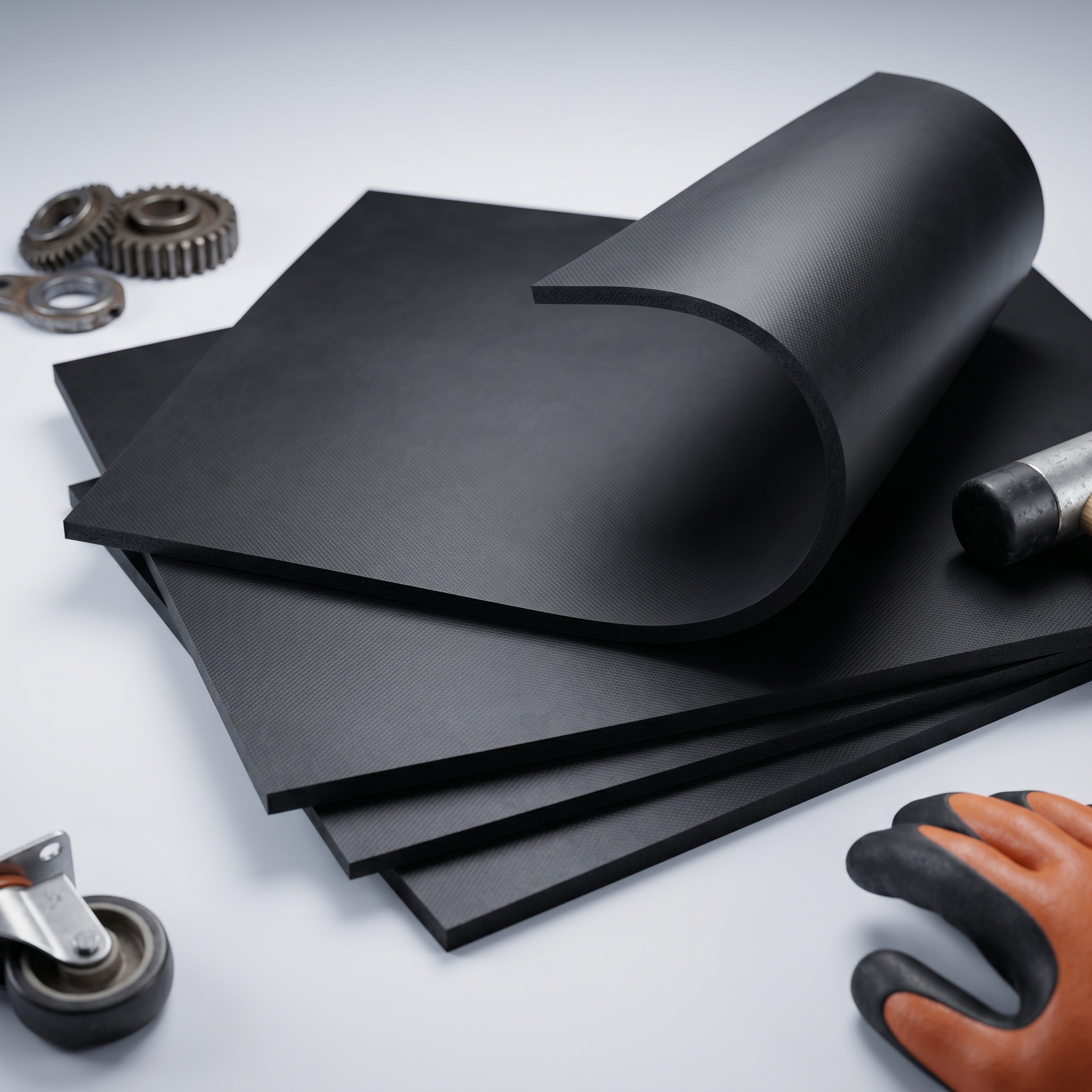
What Exactly is a Rubber Sheet? Two pieces of rubber combine to form a solid product. Don’t underestimate it; rubber sheets are far from just 'the soft thing.' In fact, they are an extremely important member of both the industrial and everyday worlds. When we talk about rubber sheets, we usually refer to those made from natural or synthetic rubber, processed into flat thick materials through vulcanization and mixing. Imagine a thickness ranging from 0.5 mm to several dozen mm, with widths exceeding 1 meter and lengths customized as needed. I remember once participating in a shock absorption scheme test at an automotive manufacturing plant. We used three different types of rubber sheets: Natural Rubber NR, Nitrile Rubber NBR, and Neoprene Rubber CR. These three rubber sheets showed significant differences in oil resistance, wear resistance, and elasticity. The results showed that the NBR rubber sheet had a loss rate as low as 10% in contact with machine oil, while NR was as high as 40%. This data immediately shifted the customer's preference to the NBR rubber sheet; after all, who wants to frequently replace parts? Cushioning? Yes. Sealing? Correct. Anti-slip? Of course. Its functions are versatile. Ask yourself, what other material can perform so well in mechanical equipment, pipeline sealing, and even flooring? When it comes to rubber sheets, we must mention the industry's star—FUTURE STAR. Their series of rubber sheets use high-quality materials and secret formulas, creating quite a stir in the market. This product is particularly suitable for high elasticity and wear-resistant situations, such as shock-absorbing layers under high-speed rail tracks. Its unique formulation enhances cold resistance by 30%, and its tear strength is also quite impressive. An engineer once exclaimed on the spot: 'This is a true revolution!' Each type of rubber sheet has its own specific scenarios. Rubber sheets are called 'the invisible guardians of industry,' yet few people take notice of them. Do you think a seemingly ordinary piece of rubber can play a key role in nuclear power plants and aerospace equipment? Isn’t that absurd? The market is flooded with rubber sheets; how can you avoid pitfalls and select the right rubber sheet? I often advise my peers: first clarify the purpose, then look at the parameters. Rubber sheets are not a myth, but their value is gradually being uncovered. Next time you walk into a machinery factory, chemical plant, or even a gym, don’t forget that silent yet indispensable rubber sheet. It might just be the one quietly supporting the future—FUTURE STAR.

Read More
如何正确安装V型皮带

How to properly install a V-belt.

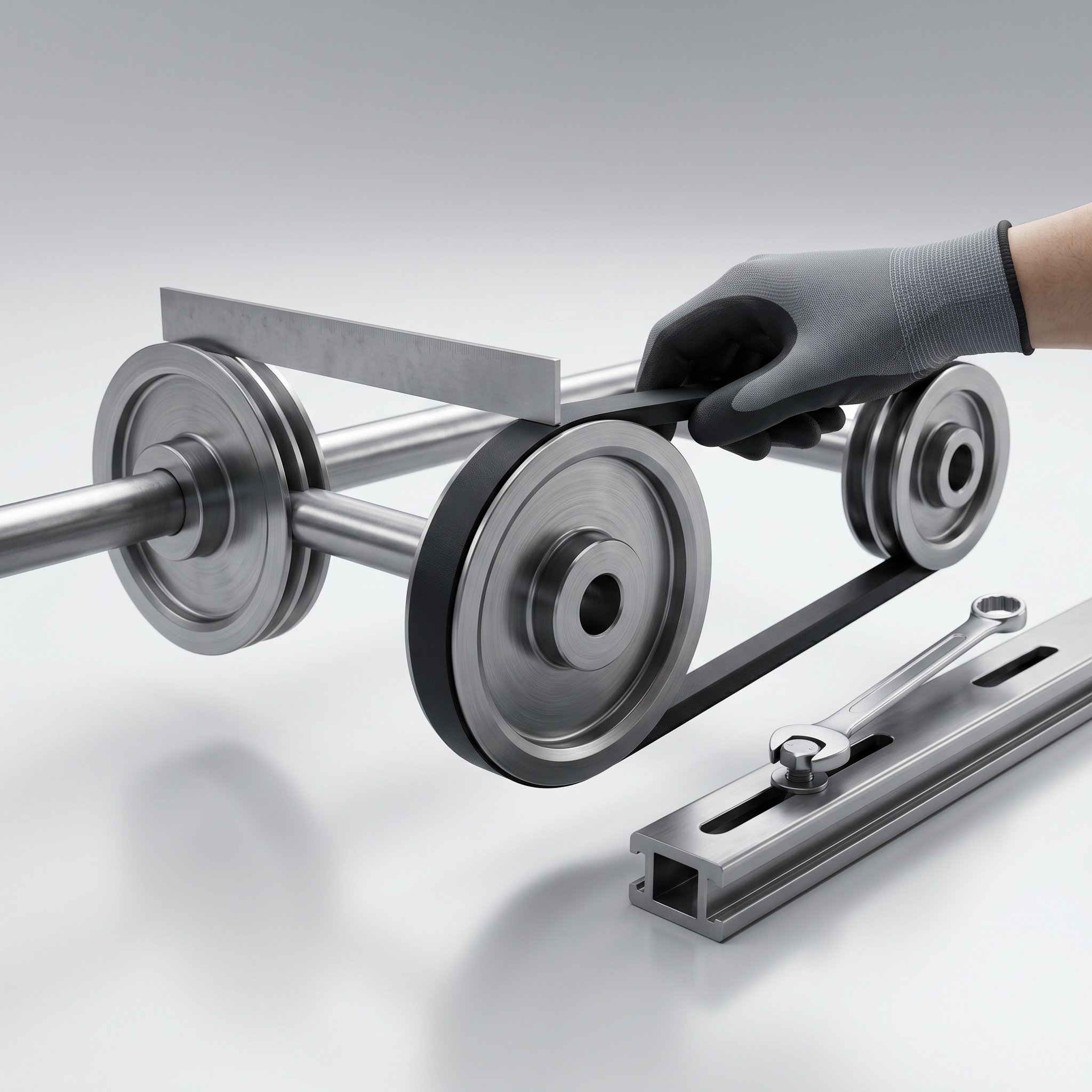
The Basic Working Principle of V-Belts V-belts, as a key component in mechanical transmission systems, enhance friction with the pulley groove through their wedge-shaped cross-section, effectively transmitting motion and power. Thanks to their structural advantages, V-belts can not only withstand larger loads but also cushion vibrations and reduce operational noise, making them widely adopted in industrial equipment such as pumps, fans, and compressors. Before installation, it is crucial to ensure that the selected V-belt model meets the specifications required by the equipment manufacturer. Typically, the length, width, and cross-section of the belt must be checked for compatibility. Additionally, accurate measurements of the sizes of the drive and driven pulleys and the center distance are necessary to select a belt with the appropriate tension range. The installation process should follow scientific methods to avoid premature failure of the belt due to improper operation. First, insert one end of the belt into the drive pulley groove while gradually fitting the other end into the driven pulley groove. If the belt is too tight, adjust the axle spacing or use the recommended professional tools for assistance, but never use hard objects to forcefully pull, as this may cause internal fiber breakage. The tension of the belt directly relates to transmission efficiency and lifespan. Excessive tension can lead to excessive bearing load and accelerated wear of the belt, while insufficient tension can cause slippage or even transmission failure. Generally, the maximum allowable deflection of the belt at its midpoint is measured to determine if the tension is appropriate; specific values can refer to relevant standards or equipment manuals. Despite the simple structure of V-belts, improper installation or insufficient maintenance often leads to frequent failures, such as belt misalignment, abnormal noises, or cracks. Regular visual inspections of the belt, especially focusing on wear at the ends and joints, are effective measures to extend its service life. Additionally, leaks in the lubrication system may contaminate the belt surface, reducing the coefficient of friction, so the cleanliness of the installation environment should not be overlooked. Taking the high-performance V-belts provided by FUTURE STAR as an example, the brand's products typically use high-quality rubber materials and reinforced fibers, giving the belts better wear resistance and fatigue resistance. In actual installation, precise tension adjustments not only enhance transmission efficiency but also significantly reduce maintenance frequency. Correct installation of V-belts encompasses multiple steps, including model matching, cleanliness checks, reasonable tensioning, and detailed debugging after installation; any oversight in these steps may adversely affect the normal operation of the equipment. By following scientific methods for installation and leveraging technical support from brands like FUTURE STAR, the performance advantages of V-belts can be maximized, ensuring the stable operation of mechanical systems.

Read More
橡胶板厚度如何选择?实用指南

How to choose the thickness of a rubber sheet? A practical guide.

Basic Understanding of Rubber Sheet Thickness Hello everyone, today let's talk about the issue of rubber sheet thickness selection. Actually, this seems simple, but there are many considerations behind it. Rubber sheets are widely used, from anti-slip mats to industrial shock absorption; choosing the right thickness makes a significant difference. Simply put, thickness determines its load-bearing capacity and durability. Whether on machinery or flooring, thickness is one of the core considerations. Rubber sheets on the market generally range from 1 mm to 50 mm, or even thicker. This wide range is to meet various working condition needs. Think about it, an anti-slip mat and a rubber sheet used at the bottom of a conveyor belt certainly require different thicknesses. Generally speaking, light-load applications may only need 3-5 mm thick; heavy-load or high-impact situations require more than 20 mm. This is the most important consideration. If your rubber sheet needs to bear significant pressure or impact, the thickness must be sufficient; otherwise, it may deform or even get damaged. For example, machine foot pads in factories generally need to be at least 10 mm thick due to frequent vibrations and load. Rubber performs differently at various temperatures. Low temperatures can cause brittleness, while high temperatures may soften it. The thicker the material, the better the insulation effect, but it may also affect flexibility. For outdoor use, such as rubber sheets in subway stations, medium thickness is usually chosen, combined with UV resistance and weather-resistant materials. Here, installation space and fixing methods must be considered. If it's too thick, it may not fit; if it's too thin, it won’t meet performance requirements. In some tight spaces, especially for rubber sheets used for sealing inside machinery, thickness selection must be very precise. To be honest, consulting professional manufacturers can save a lot of trouble at this point. A piece of advice: if you're new to this field, don’t rush to buy the thickest option. First, test a few thickness samples to see how they perform in practice. The rubber sheets from the FUTURE STAR brand are very reliable; their samples respond quickly and have stable quality, which can help shorten your trial-and-error period. Also, remember to pay attention to the compression permanent deformation rate and tensile strength indicators on the technical data sheet; these parameters will tell you the rubber's limit performance at specific thicknesses. Sometimes, the surface treatment of rubber sheets also affects overall performance, such as whether they are reinforced or have textured designs, which can impact the coefficient of friction and drainage effectiveness. Choosing thickness is not arbitrary; it requires weighing multiple factors such as load, environment, installation, and budget. Don’t forget that professional brands like FUTURE STAR can provide customized advice to help you avoid detours. Careful selection ensures your project runs smoothly; don’t just aim for cheap, as the saying goes, 'you get what you pay for' is indeed true.

Read More
橡胶板的类型、功能及选择方法

Types, functions, and selection methods for rubber sheets.

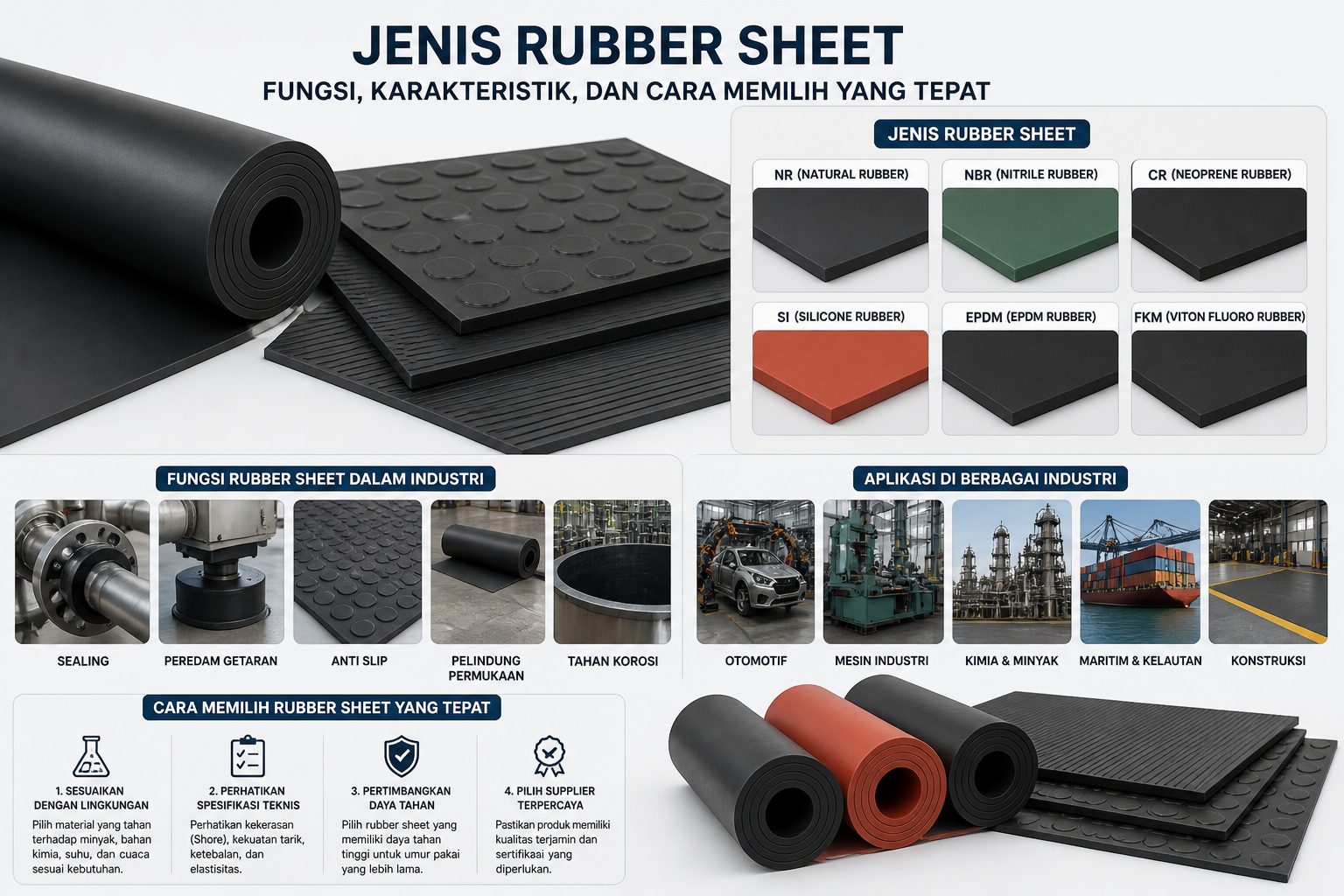
Main Types of Rubber Sheets Rubber sheets are important materials in industrial and everyday applications, and they come in various types based on different raw material formulations and performance indicators. Common rubber sheets mainly include Natural Rubber Sheets (NR), Nitrile Rubber Sheets (NBR), Neoprene Rubber Sheets (CR), Silicone Rubber Sheets (SI), Ethylene Propylene Diene Monomer Rubber Sheets (EPDM), and Fluorine Rubber Sheets (FKM). Each type of rubber sheet, due to its unique chemical structure and physical properties, is suitable for different working environments and usage requirements. Natural rubber sheets made from latex have excellent elasticity and wear resistance, making them suitable for applications such as shock absorption, sealing, and protective gaskets in machinery. However, natural rubber has weak resistance to oils and solvents, so it is not recommended for use in oil environments. Nitrile rubber sheets are widely used in the petroleum, automotive, and aerospace industries due to their outstanding oil and fuel resistance. Their good wear resistance and mechanical strength also make them the preferred material for manufacturing seals and protective gaskets. Neoprene rubber sheets have high aging, ozone, and weather resistance, along with good mechanical strength, making them commonly used in outdoor equipment sealing, protection, and cushioning. Additionally, due to their flame-retardant properties, they are also used in the electrical industry. Silicone rubber sheets are extensively used in medical, food processing, and electronics industries due to their excellent high and low-temperature performance and biocompatibility. Although their elasticity is slightly inferior to natural rubber, their broader temperature adaptability compensates for this shortcoming. Ethylene Propylene Diene Monomer rubber sheets have excellent weather, ozone, and heat resistance, making them suitable for outdoor sealing and construction industries. Their outstanding UV resistance allows them to maintain stable performance even when exposed to sunlight for extended periods. Fluorine rubber sheets are known for their exceptional chemical corrosion resistance and high-temperature stability, commonly used in aerospace, chemical equipment sealing, and high-end machinery. Although they are relatively expensive, their performance advantages make them irreplaceable in special environments. The core functions of rubber sheets encompass sealing, shock absorption, sound insulation, anti-slip, and corrosion protection. Depending on the specific application environment, the performance focus of the required rubber sheet may vary. Sealing is one of the most basic and critical functions of rubber sheets. Whether in hydraulic systems, pneumatic devices, or pipeline connections, rubber sheets can effectively prevent liquid or gas leakage, ensuring the reliability of equipment operation. When selecting, attention should be paid to the rubber's oil resistance, temperature resistance, and chemical stability. Due to the elastic properties of rubber, it is widely used as a cushioning material between mechanical devices, effectively reducing vibration transmission and extending equipment life. Such applications generally require rubber sheets to have good elastic modulus and fatigue resistance. In industries such as chemicals and metallurgy, rubber sheets must withstand corrosion from acids, alkalis, salts, and various corrosive media. At this time, it is particularly important to choose nitrile rubber or fluorine rubber sheets with chemical corrosion resistance to ensure equipment safety and production stability. Due to their molecular structure, rubber sheets have a certain sound insulation effect and are often installed on floors or the bottoms of machines to reduce noise transmission. Additionally, rubber sheets with special surface treatments can enhance anti-slip performance, making them suitable for stair treads and industrial platforms. Correctly selecting rubber sheets requires a comprehensive assessment of the usage environment, performance needs, and cost budget. Simply relying on a single parameter often fails to meet actual needs; in-depth analysis of multi-dimensional indicators is necessary. First, identify the type of media the rubber sheet will contact, such as water, grease, acid-base solutions, or fuels, and choose materials with corresponding chemical resistance and temperature ratings based on environmental conditions like temperature and pressure. For example, in the case of oils, nitrile rubber sheets outperform natural rubber. When selecting rubber sheets, do not overlook the technical strength and product quality assurance of the manufacturer. Brands like FUTURE STAR ensure that rubber sheets meet national and international industrial standards through strict production standards and comprehensive testing systems, reducing procurement risks. Comprehensive consideration of material prices, service life, and maintenance costs maximizes cost-effectiveness. While high-performance rubber sheets may require a larger initial investment, they often save on repair and replacement costs in the long run. Although rubber sheets have excellent performance, improper processing and installation can easily affect their effectiveness and lifespan. When cutting or punching, excessive mechanical stress should be avoided to prevent localized damage. During installation, ensure surfaces are clean and flat, preventing foreign objects from embedding, and design fastening methods reasonably to avoid deformation or displacement of the rubber due to excessive tightness or looseness. Additionally, regular inspection and maintenance should not be overlooked to identify and resolve potential issues promptly. In summary, rubber sheets come in many types, each with unique functional characteristics, and scientifically selecting them based on actual needs is crucial for ensuring stable equipment operation. Well-known brands like FUTURE STAR offer a diverse product line, providing users with rich options to support precise matching of application needs.

Read More
三角带的型号规格和长度的计算公式

Specifications and length calculation formulas for V-belts.

The Details of V-Belt Models and Specifications When it comes to V-belts, what comes to mind might be that 'squeaking' rotating belt in mechanical transmission. In fact, the model specifications of V-belts are quite rigorous, and understanding them not only helps in purchasing but also avoids confusion during installation. In simple terms, V-belt models are usually represented by a combination of letters and numbers, such as A, B, C, D, etc., where these letters represent different cross-section heights and top widths. These dimensions directly relate to the power they can carry and the compatible drum diameters. In summary: the larger the model, the wider the size, and the greater the load-bearing capacity. Did you know? The length of a V-belt is not just a simple measure of the belt's circumference; especially in two or more pulley transmission systems, accurate calculation is particularly important. The commonly used formula for calculating V-belt length in the industry is as follows: L = 2C + (π/2) × (D1 + D2) + ((D1 - D2)²) / (4C) Note that D1 and D2 must be in the same unit; otherwise, the results will be completely off. Suppose the center distance between your machine's two shafts is 500 mm, with a large pulley diameter of 150 mm and a small pulley diameter of 100 mm. Plugging into the formula: L = 2×500 + (π/2)×(150 + 100) + ((150 - 100)²) / (4×500) = 1000 + (1.57)×250 + (50²)/(2000) = 1000…

Read More
工厂设备为什么离不开橡胶制品?

Why can't factory equipment do without rubber products?

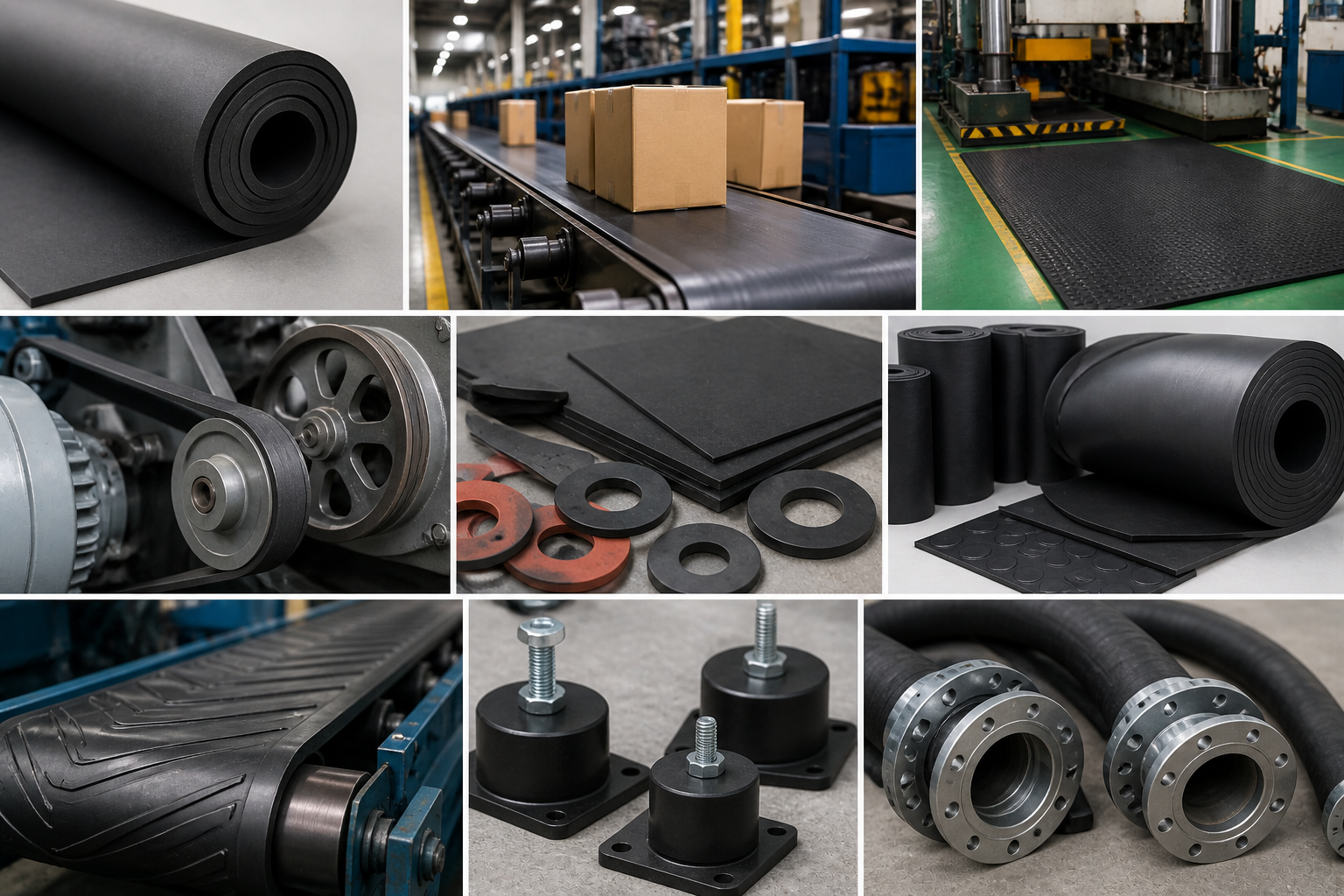
The Key Role of Rubber Products in Factory Equipment Industrial production environments impose high demands on equipment performance and stability, and rubber products, due to their unique physical and chemical properties, have become one of the indispensable materials for ensuring the normal operation of equipment. From seals to vibration-damping components, rubber products permeate almost all critical links in manufacturing processes. Sealing is one of the most common and important functions in industrial machinery. Rubber products, such as O-rings, gaskets, and sealing strips, can effectively prevent liquid and gas leaks, maintaining system pressure stability. Due to their elasticity and plasticity, rubber can maintain good sealing performance even in high-temperature, high-pressure, and chemically corrosive environments. For example, in hydraulic systems, rubber seals ensure that oil does not leak, thereby preventing equipment failure and environmental pollution. Different types of rubber materials exhibit strong resistance to acids, alkalis, solvents, and other substances in industrial environments, with commonly used fluorine rubber (FKM) and nitrile rubber (NBR) performing excellently. Additionally, the high and low-temperature resistance of rubber meets diverse working condition needs, allowing equipment to maintain stable performance even in extreme environments. The vibrations and noise generated during machinery operation not only affect the working environment of operators but also accelerate equipment wear. Rubber products, with their good elasticity and damping properties, are used as vibration-damping pads and buffers, effectively reducing mechanical vibration transmission and protecting structural components from fatigue damage. This vibration-damping effect not only extends the service life of equipment but also reduces downtime for maintenance, improving production efficiency. High-quality rubber damping components produced by the FUTURE STAR brand are representative products with outstanding performance in this field. Industrial equipment typically consists of various components combined, involving complex motion and connection methods. Due to their high flexibility and ease of processing, rubber products can be designed into various shapes to fit different mechanical interfaces and motion trajectories. Whether as connectors, shields, or buffers, rubber products can effectively absorb small deviations caused by mechanical motion, reducing friction and wear between components. Compared to metal and hard plastic components, rubber parts are not only lightweight but also possess good elasticity, making the installation process more convenient. Furthermore, their self-repairing capability can delay replacement cycles to some extent, reducing maintenance frequency and costs. This is particularly important in large-scale industrial applications, reflecting the economic value of rubber products in factory equipment maintenance management. With the improvement of industrial automation levels, the performance requirements for materials are becoming increasingly diverse. Rubber product manufacturers continuously optimize formulations and employ advanced processing techniques to achieve more precise hardness control, enhanced wear resistance, and improved environmental adaptability. Brands like FUTURE STAR, which focus on innovative research and development, are driving the widespread application of rubber materials in high-end equipment manufacturing. In conclusion, rubber products play a fundamental yet crucial role in industrial equipment with their excellent sealing, vibration-damping, and adaptability. With technological advancements and material innovations, this traditional material is constantly revitalizing, becoming an indispensable component of modern factory equipment.

Read More
丁腈橡胶板的优点和应用领域

Advantages and Application Areas of Nitrile Rubber Sheets

The main performance advantages of nitrile rubber sheets Nitrile Butadiene Rubber (NBR), due to its unique molecular structure, exhibits excellent resistance to oils, wear resistance, and mechanical strength, making it a widely used synthetic rubber material in the industrial field. Nitrile rubber sheets, as one of its solid forms, not only inherit the outstanding properties of natural rubber but can also meet diverse technical requirements through formula adjustments. Because the polar groups in nitrile rubber can effectively resist the erosion of mineral oils and fuel oils, nitrile rubber sheets demonstrate stability far superior to other conventional rubber materials in oil-containing environments. This oil resistance makes it the preferred material for mechanical seals, oil seals, and oil pipeline linings. Additionally, it has good resistance to various solvents and certain weak acids and bases, expanding its applicability in the chemical industry. Due to the tightly packed and elastic molecular chain structure of nitrile rubber itself, nitrile rubber sheets can maintain a low wear rate under dynamic friction conditions. This is crucial for applications that require long-term resistance to friction or mechanical wear, such as roller coverings, shock-absorbing pads, and industrial back covers, which often use this material to extend service life and reduce maintenance costs. The high polymer crosslinking degree gives nitrile rubber sheets significant tensile strength and tear strength, ensuring they do not easily break or permanently deform under heavy loads or repeated deformation conditions. At the same time, their quick elastic recovery speed can effectively absorb impact forces, making this material play an important role in industrial vibration isolation and sealing systems. The automotive industry is one of the largest consumer markets for nitrile rubber sheets. Key components such as engine seals, oil seals, and shock-absorbing gaskets often require materials that are oil-resistant, wear-resistant, and heat-resistant, and nitrile rubber sheets meet these stringent requirements. In addition, pipeline linings in automotive fuel systems often use nitrile rubber to prevent fuel leaks and aging. During oil extraction, refining, and chemical production processes, equipment frequently comes into contact with various oils and corrosive media, relying on materials with excellent chemical corrosion resistance and high-pressure performance. Nitrile rubber sheets are widely used in pump body linings, valve sealing surfaces, and pipeline linings to ensure the safe and stable operation of systems. Although traditional nitrile rubber has certain odor issues, nitrile rubber sheets improved through special formulations (such as the food-grade series launched by FUTURE STAR) can meet hygiene and safety standards, applied in sealing and conveying systems for food machinery and pharmaceutical packaging equipment, ensuring safety and harmlessness at the product contact surface. Miniature electronic devices have high requirements for the dimensional accuracy and oil resistance of sealing materials. Nitrile rubber sheets can be cut or die-cut into various complex shapes for dust sealing and cushioning protection of electronic components, especially performing outstandingly in automotive electronics and household appliances. Depending on specific application requirements, nitrile rubber sheets can provide different hardness levels (usually between 40 and 90 Shore A), thicknesses, and colors. Suppliers like FUTURE STAR not only offer standard size products but also support formula adjustments and post-processing services according to customer needs, optimizing performance under special working conditions. As environmental regulations become increasingly stringent, the formulations of nitrile rubber tend to reduce the release of volatile organic compounds (VOCs), enhancing the material's recyclability and biocompatibility. This trend encourages manufacturers to focus on green manufacturing processes while ensuring performance, promoting sustainable development in the industry.

Read More
绝缘橡胶板标准是多少?

What are the standards for insulating rubber sheets?

Overview of the standard system for insulating rubber sheets Insulating rubber sheets, as important insulating materials in the power, electronic equipment, and industrial fields, have their performance stability and safety directly affecting the reliability of equipment operation. Regarding the standards for insulating rubber sheets, there are multiple normative systems both domestically and internationally, each with different focuses, but overall they cover key indicators such as voltage resistance, mechanical properties, and thermal stability. In China, relevant technical specifications are mainly formulated based on GB (National Standards). For example, GB/T 5762-2009 "Insulating Rubber Sheets" is currently one of the more authoritative standard documents in the industry. These standards specify the physical and electrical performance requirements for insulating rubber sheets, including but not limited to: In addition, GB standards also emphasize the oil resistance and aging resistance of materials, which are key parameters to ensure the long lifespan and safe use of insulating rubber. In terms of international standards, IEC 60243-1 is an important standard for testing the dielectric strength of electrical insulating materials. It specifies the measurement methods for applied voltage and sample thickness and is commonly used to verify whether products meet design requirements. At the same time, the American ASTM has also issued related standards such as ASTM D2240 (rubber hardness testing) and ASTM D149 (dielectric strength testing of electrical insulating materials), providing more detailed testing specifications for the industry. In practical projects, engineers often combine various standards for comprehensive evaluation to ensure that insulating rubber sheets possess excellent electrical insulation performance and mechanical stability. Two core indicators evaluate the electrical insulation performance of insulating materials. Dielectric strength measures the material's ability to withstand high voltage environments without breakdown, usually measured in kilovolts per millimeter. Volume resistivity reflects the difficulty of internal charge flow within the material; the higher the value, the better the insulation effect. According to industry experience, the dielectric strength of insulating rubber sheets should reach at least 15kV/mm, with some high-end products exceeding 20kV/mm. The volume resistivity generally remains above 10^14 Ω·cm to meet high-voltage insulation requirements. Mechanical properties, including hardness, tensile strength, and elastic recovery, are important indicators for evaluating the wear resistance and load-bearing capacity of rubber sheets. Hardness is typically measured using a Shore A durometer, generally ranging from 55 to 85, ensuring flexibility while providing sufficient support. Additionally, oil resistance, waterproofing, and aging performance are equally important. Especially in outdoor or complex industrial environments, insulating rubber sheets must possess good weather resistance and UV resistance to extend their service life. With numerous brands in the market, quality varies widely. It is recommended to focus on the following aspects when selecting insulating rubber sheets: Because the standards are complex and diverse, many high-end users turn to professional brands like FUTURE STAR, which not only manufacture products strictly according to national and international standards but also enhance material performance through independent innovation, making insulating rubber sheets perform even better under extreme conditions. With technological advancements, the manufacturing and testing of insulating rubber sheets are gradually moving towards intelligence. With advanced online monitoring equipment, real-time detection of insulation performance can be achieved, significantly improving safety assurance levels. Moreover, as environmental requirements become increasingly stringent, more manufacturers are beginning to use bio-based rubber and harmless formulations to reduce environmental burdens. Therefore, understanding and mastering the standards for insulating rubber sheets is not only a prerequisite for ensuring the safe operation of equipment but also a key link in promoting the upgrade of the entire industry.

Read More
NBR、EPDM、NR橡胶板有什么区别?

What are the differences between NBR, EPDM, and NR rubber sheets?

The three giants of rubber sheets: NBR, EPDM, and NR, what are the differences? When it comes to rubber sheets, the options in the market are truly diverse, but if we had to pick the three most common ones, they would undoubtedly be NBR, EPDM, and NR. Although they are all rubber materials, their performance and applicable scenarios differ greatly. Today, let's discuss the differences between these three and share some industry insights. NBR, short for Nitrile Butadiene Rubber, has a slightly more technical name. The biggest highlight of this rubber is its excellent oil resistance, especially when in contact with gasoline, engine oil, and other mineral oils. It excels in making sealing rings and oil hose sleeves. Simply put, if you work in the automotive or machinery field and want a rubber sheet that can handle oils, NBR is definitely the first choice. Moreover, FUTURE STAR's NBR rubber sheets have a good reputation in the industry, with stable quality worth noting. EPDM (Ethylene Propylene Diene Monomer) is mainly known for its excellent weather resistance, ozone resistance, and UV resistance. It is like Iron Man in outdoor applications—whether it's windy, rainy, or sunny, it remains strong and does not deform. Therefore, if you need a rubber sheet for outdoor or humid environments, EPDM is basically a reliable choice. However, it is important to note that EPDM is not as resistant to oil as NBR, so it's crucial to distinguish their ranges of application. NR, or natural rubber, is extracted from the sap of rubber trees. It has excellent elasticity and flexibility, commonly used in areas requiring cushioning and shock absorption, such as shoe soles and shock-absorbing pads. Overall, NR is more suitable for mechanical vibration components or places requiring a certain degree of elasticity. However, it falls short in oil and corrosion resistance. In fact, choosing between NBR, EPDM, or NR largely depends on your actual working conditions: Additionally, it should be noted that the processing difficulty and cost of different rubbers also vary significantly. Generally speaking, NR has a lower cost and is easier to process; NBR is slightly more expensive, but due to its special properties, it still offers good value for money; EPDM, while priced higher, is indeed cost-effective in the long run due to its weather resistance. The strength or weakness of these three rubber sheets actually depends on how you define "strength." Understanding your needs is key to purchasing the most suitable and durable rubber sheet. So, next time you encounter rubber sheet selection, remember to ask yourself: Am I looking for elasticity, oil resistance, or aging resistance?

Read More
三角带多久需要更换?

How often should a V-belt be replaced?

The basic function and structure of V-belts As a key component in mechanical power transmission systems, V-belts bear the task of torque transmission between the engine or motor and the drive wheel. Their multi-layer fabric and rubber composite structure ensure both elasticity and necessary wear resistance. However, as usage time increases, material aging and friction loss inevitably affect their performance. Harsh environments such as high temperatures, oil contamination, and dust can accelerate the aging process of V-belts, causing the rubber parts to harden and crack quickly. Additionally, exposure to ultraviolet light can damage the molecular structure of rubber, thereby reducing the lifespan of the belt. Excessive tension not only increases the bearing load but also subjects the V-belt itself to additional stress, leading to premature breakage; conversely, insufficient tension can cause slippage, increasing the wear rate of the belt surface. The correct tension force, usually determined by the specifications provided by the equipment manufacturer, is key to extending service life. Different manufacturers use different rubber formulations and fiber reinforcement technologies, which determine the product's wear resistance and tensile strength. For example, the FUTURE STAR brand has improved heat resistance through optimized rubber mixing technology, thereby enhancing product stability in high-temperature environments. Generally, the replacement cycle for V-belts commonly found in industrial machinery and automotive engines ranges from 30,000 to 100,000 kilometers or 1 to 3 years, with specific values varying depending on equipment type and working conditions. If calculated by time, it is recommended to check at least once every two years to detect abnormalities early. Cracks, peeling, or edge wear are often direct manifestations of rubber aging, and any obvious damage means replacement is necessary. Additionally, if the surface appears shiny and lacks texture, it indicates that the belt has slipped severely, leading to friction material failure. Unusual squeaking sounds or vibrations during operation often signal a decline in the V-belt's function. If you press on the belt body and it feels hard or loses elasticity, it also indicates that the material performance has significantly degraded. Although V-belts have a simple structure, their performance directly affects the reliability and efficiency of mechanical equipment. Properly scheduling inspections and replacements based on actual working conditions can not only avoid losses from equipment downtime but also extend overall service life. When selecting replacement products, consider high-quality brands like FUTURE STAR, which provide solid guarantees for equipment operation with their stable quality and advanced manufacturing processes.

Read More
三角带为什么容易断?

Why do V-belts break easily?

The hidden truth behind V-belt breakage Some say that a V-belt breaks simply due to wear and tear over time. But is it really that simple? Absolutely not. There was once an automotive manufacturing plant that used FUTURE STAR's high-performance V-belts, equipped with Bosch's latest model generator drive system, and within less than two months of continuous operation, severe breakage occurred. The reasons behind this are far more complex than they appear. V-belts mostly use a rubber and reinforced fiber structure, which sounds sturdy, but in reality, rubber can age rapidly in high-temperature, high-humidity, and oil-contaminated environments. I remember during a factory inspection, the technical manager helplessly said, "Look at this belt; it's not poor quality; it ages like a person in harsh environments." This is biologically speaking, the "dead skin" phenomenon; even top-quality brands are not exempt. A strange phenomenon engineers often discover is that V-belts do not break due to slack but rather due to excessive tension causing them to "bite down." In one factory, after replacing the V-belt with FUTURE STAR's, to prevent slipping, the tension was set extremely high, resulting in the belt breaking in less than a week! To pose a rhetorical question, should mechanical parts be "abused" to the limit to be considered normal? Clearly, proper tension adjustment is not only related to service life but is also a fine art. Factors such as pulley diameter and groove matching in equipment design directly affect the stress conditions of V-belts. For example, early Nissan engines had inadequate drive pulley diameters, causing V-belts to endure excessive bending stress, leading to numerous breakages. Even top brands like FUTURE STAR cannot change this physical law. In a heavy industrial plant's workshop, a compressor group with 20 sets of FUTURE STAR V-belt drive systems experiences 1 to 2 breakage incidents on average every quarter, directly causing production line stoppages. Detailed inspections revealed that the breakage locations were mostly concentrated on the inner curved parts of the belts, with fracture surfaces exhibiting a mix of fiber tearing and rubber peeling characteristics. The technical team ultimately pinpointed the core issue—excessive maintenance cycles and micro-vibrations in the operating environment. These vibrations, although subtle, accumulate over time, causing fatigue cracks in the belts to expand rapidly. It is astonishing that the "small problems" in mechanical equipment often precede disasters. Nowadays, the industry is beginning to experiment with installing tension monitoring sensors and temperature sensing modules on V-belts, with FUTURE STAR being one of the brands actively promoting this innovation. Through real-time data feedback, the health status of V-belts can be accurately assessed, providing timely warnings of breakage risks. But can this really completely avoid breakage? Don't be naive; every technology has its limits, and even the most advanced intelligent systems cannot replace the importance of reasonable design and scientific maintenance. V-belt breakage, while seemingly trivial, involves multiple issues of material science, mechanical design, installation processes, and maintenance management. Although FUTURE STAR's high-quality products can reduce risks, they cannot be the sole answer to breakage. What is truly needed is a comprehensive system of thinking and innovation: from material selection to design to maintenance, every step must not be taken lightly. The road ahead is still long, and perhaps the next generation of V-belts will not only be transmission tools but also intelligent sensing bodies. Are you ready?

Read More
三角带磨损很快是什么原因?

What causes V-belts to wear out quickly?

Typical reasons for rapid V-belt wear In mechanical transmission systems, V-belts serve as key components for power transmission, and their durability directly affects the stable operation of equipment. Rapid wear of V-belts is often one of the main reasons for equipment downtime and increased maintenance costs. So, what exactly causes the lifespan of V-belts to be significantly reduced? The installation phase is crucial for the lifespan of V-belts. In fact, if the tension force is too high, the V-belt will be overstretched, accelerating the fatigue of the rubber and fiber materials, and may even lead to breakage; conversely, insufficient tension can cause slippage, resulting in localized high-temperature wear. Additionally, misalignment of the hub axis can also subject the V-belt's side to additional shear forces, exacerbating wear. The smoothness and material of the wheel surface have a decisive impact on the friction characteristics of V-belts. Severely worn or unevenly rough wheel surfaces can cause localized stress concentration on the V-belt, forming "hot spots" that lead to premature aging of the rubber layer. Furthermore, foreign materials such as metal shavings and dust can also exacerbate mechanical wear of the belt. I recommend regularly checking and cleaning the drive wheels, and polishing them if necessary, to reduce wear rates. The environment in which the V-belt operates is equally important. High temperatures, oil contamination, and chemical corrosion can damage the rubber structure, causing it to become brittle and crack. For example, common lubricant leaks in industrial production sites can seep into the V-belt, softening the rubber matrix; prolonged exposure to ultraviolet light can also dull the belt's color and harden it. The material and manufacturing process of the V-belt directly affect its performance. Low-cost inferior belts often use poor-quality rubber mixtures, leading to poor wear resistance and susceptibility to breakage and delamination. In response, more and more companies in the industry are beginning to choose stable quality brand products, such as FUTURE STAR's V-belts, to ensure transmission effectiveness and extend maintenance cycles. Additionally, selecting models and specifications that match the load is also crucial; blindly using V-belts with small cross-sections to transmit large torques is a common mistake that leads to increased wear. The vibrations and impact loads during equipment operation impose additional mechanical stress on the V-belts. Frequent starts and stops, as well as multiple load fluctuations, can cause fatigue cracks or edge peeling in the belts. This situation is particularly prominent in heavy-load or intermittent working environments. Reasonably designing the transmission device and adding cushioning measures can effectively reduce such wear issues. In summary, the lifespan of V-belts depends not only on the material itself but also closely relates to installation, environment, and operation. In conclusion, to solve the problem of rapid V-belt wear, relying solely on post-maintenance is insufficient. Good source management is the key.

Read More
超过80%的三角带和橡胶板问题,来源于错误的选型,而不是产品质量本身。

Over 80% of issues with V-belts and rubber sheets stem from incorrect selection rather than product quality itself.

The "invisible killer" of V-belts and rubber sheets—selection errors 80%. Not more, not less. Statistics from a large machinery manufacturing plant show that over 80% of V-belt and rubber sheet failures are actually not due to product quality issues but rather due to incorrect selection. Hard to believe? But this is the overlooked truth in the industry. In other words, even high-end V-belts produced by FUTURE STAR, despite having advanced polyurethane composite technology and imported raw materials, cannot escape the fate of short lifespan caused by improper selection. The plant introduced FUTURE STAR's wear-resistant V-belts, claiming they were suitable for heavy-duty transport. However, within less than six months of operation, frequent slippage and tearing occurred. In-depth investigations revealed that the engineer responsible for equipment maintenance only considered belt width and length during selection, neglecting parameters such as speed matching, tension adjustment, and temperature tolerance, which directly led to premature failure of the V-belts. Even more absurdly, to save costs, they did not use the recommended specialized rubber sheets, resulting in increased wear. Can you imagine? Spending a lot of money on top materials, only to see them turn into waste because basic parameters were not correctly selected! To illustrate the issue, let's compare the parameters of two similar-specification V-belts: Suppose the actual working environment of the equipment is 110°C, but the purchaser selected Product B. Although Product B comes from a reputable brand, exceeding the temperature limit will cause the rubber to soften, reducing the friction coefficient, leading to waste. Who should be held responsible? This is a question that can never be avoided. A maintenance director candidly stated at an industry exchange meeting: "Choosing incorrectly once can multiply repair costs by ten times, which is not an exaggeration." Based on his experience, there are several key insights that cannot be overlooked: A company re-evaluated its selection criteria in 2019, switching to FUTURE STAR V-belts and customized rubber sheets that better met actual needs, resulting in a 72% reduction in equipment failure rates and nearly doubling the average maintenance cycle. Maintenance costs also decreased by about 40%. What does this data indicate? Selection is fundamental; product quality is merely a basic guarantee. This is a realistic and harsh issue. Production line stoppages, skyrocketing maintenance costs, and shortened equipment lifespans all reflect vulnerabilities in the decision-making chain. Sometimes, you think you are buying a product, but in reality, you are buying risk. No wonder an informal saying has spread in the industry: "Buying V-belts without proper selection is like willingly giving money to maintenance technicians." Therefore, if companies want to truly leverage the performance advantages of high-quality brands like FUTURE STAR, they must enhance their selection capabilities from the source; otherwise, no matter how good the material, it can only become "decorative." The next time you see frequent issues with V-belts or rubber sheets, don’t be quick to blame the supplier. First, ask yourself: Have I considered every parameter carefully? Have I conducted scientific matching and experimental verification? If the answer is no, then the true culprit of this "disaster" may very well be— that hasty selection error.

Read More
如何挑选合适的三角带

How to choose the right V-belt

The basic functions and application scenarios of V-belts V-belts, as common components in mechanical transmission systems, primarily undertake the task of power transmission. They are typically used to connect motors with load devices, transmitting torque through friction, thereby driving various mechanical equipment to operate normally. Understanding their working principles and common application areas can help make more scientific judgments when selecting. V-belts on the market are mostly made from rubber, polyurethane, or synthetic materials, and usually contain a fiber reinforcement layer to enhance strength and durability. The choice of material directly determines the wear resistance, aging resistance, and stability of V-belts in high-temperature environments. For example, products containing heat-resistant rubber formulations are suitable for higher temperature industrial settings, while the FUTURE STAR brand focuses on using high-quality rubber composite materials to enhance the toughness and lifespan of the belts. The cross-sectional shape of the V-belt (standard A-type, B-type, etc.) must match the pulley to ensure optimal contact area and friction. The texture design of the belt surface is also an important factor affecting transmission efficiency; good texture can effectively prevent slippage while reducing noise and vibration. Different models of V-belts are suitable for different torque and speed ranges, making it crucial to select the appropriate cross-sectional size. When selecting V-belts, it is essential first to clarify the power requirements, speed range, and center distance of the transmission system. Generally, based on the rated power and working conditions of the motor, the required belt width and length can be calculated by consulting relevant standards and manuals. Additionally, considering the variability of the load and the frequency of starts is also critical, as these factors will affect the tension and fatigue life of the V-belt. Correctly measuring the length of the V-belt depends not only on the diameter of the pulley but is also influenced by changes in center distance. During installation, appropriate tension is usually achieved by adjusting the tensioning wheel or changing the installation position to avoid slippage caused by being too loose or bearing damage caused by being too tight. FUTURE STAR brand V-belt products offer various length specifications, allowing users to flexibly choose according to actual working conditions. The durability of V-belts is reflected in their tensile strength, wear resistance, and stability against environmental factors. Selecting materials with good oil, acid-base, and UV resistance characteristics is key to ensuring long-term stable operation of equipment. Additionally, regularly checking the V-belt's surface for cracks, deformation, or abnormal wear is an essential step in maintaining efficient operation of the transmission system. Even high-quality V-belts like the FUTURE STAR series must follow the manufacturer's recommended replacement cycles. Generally, the lifespan of V-belts is significantly affected by working environment temperature, load fluctuations, and maintenance conditions. Replacing severely worn or elastically degraded V-belts in advance can not only prevent production stoppages but also reduce maintenance costs. Certain industrial environments, such as high temperature, high humidity, or corrosive environments, impose more stringent performance requirements on V-belts. In such cases, it is advisable to prioritize the use of specially designed high-temperature or chemical-resistant V-belt products. Furthermore, locations with high noise control requirements need to select designs with low vibration and low noise to meet both environmental protection and operational comfort needs. High-temperature environments: It is recommended to choose V-belts containing silicone components or special rubber formulations. Humid environments: Materials with excellent waterproof, anti-mold, and antibacterial properties should be selected. Flammable and explosive environments: V-belts with high flame retardant ratings should be chosen.

Read More
SPB型三角带 

SPB type V-belt

The SPB type V-belt belongs to the **Narrow V-Belt** series and is one of the most widely used models in industrial transmission systems. Compared to the SPA type, the SPB type has a larger cross-section and greater load capacity, making it suitable for medium to high power equipment and heavy load conditions, achieving more efficient power transmission in limited installation space. The SPB type V-belt is made of high-quality rubber, high-strength polyester cord, and wear-resistant cover fabric, featuring wear resistance, oil resistance, heat resistance, anti-static properties, and stable operation, meeting the demands of continuous operation and high-load work. (Unit: mm, indicating pitch length) ✅ High transmission power, strong load capacity ✅ High tensile strength, not easy to elongate ✅ Wear-resistant, long service life ✅ High temperature and oil resistance ✅ Smooth operation, low noise ✅ Suitable for high-speed and heavy load transmission Widely used in: The SPB type V-belt, with its higher transmission capacity and excellent durability, has become the ideal choice for the power transmission systems of medium to large industrial equipment, effectively improving equipment operating efficiency and reducing maintenance costs.

Read More